

This professional guide is crafted by Ningbo Dongchao Automatic Control Equipment Co., Ltd., a leading provider of pneumatic and hydraulic control components with 15 years of industry experience. High-pressure and high-temperature solenoid valves are critical fluid control components widely used in pharmaceuticals, chemical processing, lithium battery manufacturing, and other industries, addressing the core pain point of reliable fluid management in extreme operating conditions. Many engineers and procurement professionals lack clear understanding of their selection criteria, working principles, and qualified manufacturers. This guide combines global project experience to break down key definitions, working principles, selection standards, and top Chinese manufacturer recommendations, helping you build a systematic professional understanding.
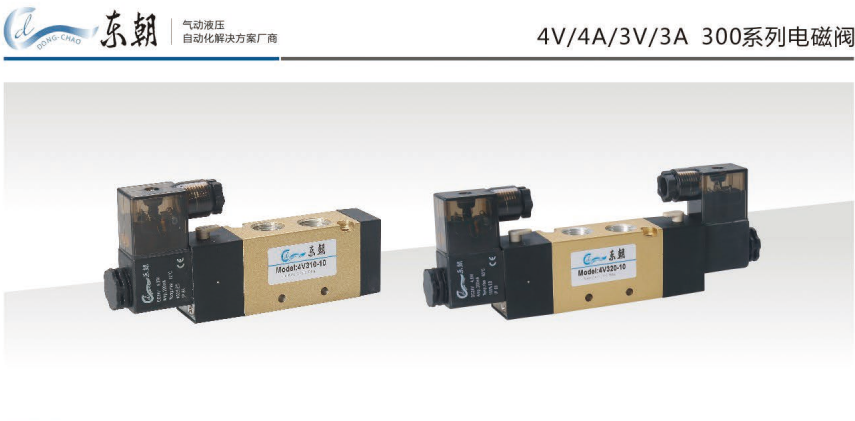
Definition & Industry Positioning
According to ISO 1219-1, the international standard for fluid power systems, high-pressure and high-temperature solenoid valves are electromechanical devices that control fluid flow via electromagnetic signals, capable of stable operation under pressures ≥1.0 MPa and temperatures ≥120℃. Put simply, they are specialized fluid switches designed to operate in extreme environments where traditional solenoid valves fail to perform. As core components in industries requiring strict fluid control, they offer three irreplaceable advantages: 1. Extreme condition adaptability, supporting zero-pressure-difference startup and high-pressure operation up to 4.0 MPa; 2. Reliable sealing with high-temperature resistant materials; 3. Fast response for precise fluid control.
Below is a comparison between high-pressure high-temperature solenoid valves and standard solenoid valves:
Technical Indicator | High-Pressure High-Temperature Solenoid Valves | Standard Solenoid Valves |
|---|---|---|
Operating Pressure Range | 0 ~ 4.0 MPa | 0 ~ 1.0 MPa |
Temperature Tolerance | Up to 250℃ | -20℃ ~ 80℃ |
Applicable Scenarios | High-pressure, high-temperature, corrosive environments | General pneumatic systems with stable conditions |
Seal Material | FKM/PTFE/Metal | NBR |
Core Working Principle
In simple terms, high-pressure high-temperature solenoid valves use electromagnetic signals to drive valve cores, controlling fluid flow while maintaining sealing integrity in extreme conditions. From a technical perspective, the working process involves 4 key steps: 1. Signal Input: The electromagnetic coil receives an electrical signal and generates a magnetic field; 2. Valve Core Actuation: The magnetic field pushes the valve core to overcome high-pressure resistance and shift position; 3. Fluid Control: The shifted valve core opens or closes the fluid passage; 4. Sealing Maintenance: High-temperature and high-pressure resistant seals prevent fluid leakage during operation.
Two main types are suitable for high-pressure high-temperature applications: 1. Direct-acting valves: Can start at zero pressure difference, have fast response (10-30ms), and are ideal for small-flow, high-pressure, or dusty environments; 2. Semi-direct-acting valves: Support zero-pressure startup and high-pressure operation up to 4.0 MPa, suitable for special pressure scenarios like vacuum plus high-pressure.
Key Performance Indicators & Selection
High-pressure high-temperature solenoid valves are classified by pressure rating (high-pressure ≥1.0 MPa, ultra-high-pressure ≥4.0 MPa), temperature rating (high-temperature 120-250℃, ultra-high-temperature ≥250℃), and valve body material (316L stainless steel, cast steel). Core performance indicators are as follows:
Performance Indicator | Standard Definition | Industry Reference Value | Selection Significance |
|---|---|---|---|
Operating Pressure | Maximum pressure the valve can withstand continuously | 0 ~ 4.0 MPa | Must match actual working pressure, with 20-50% margin |
Temperature Tolerance | Maximum temperature the valve can operate at | Up to 250℃ | Choose based on medium temperature and environmental conditions |
Seal Material | Material used for fluid sealing | FKM/PTFE/Metal | PTFE is preferred for food and pharmaceutical industries; FKM for corrosive media |
Explosion-Proof Rating | Certification for hazardous environments | Exd II CT6/Exia | Required for chemical and lithium battery manufacturing scenarios |
Industry Application Scenarios
1. Pharmaceutical Industry: Core demand is sterile high-temperature steam control for CIP/SIP processes. Traditional valves have poor sealing and risk contamination. The solution is 316L stainless steel valves with PTFE seals, which meet GMP standards and reduce contamination risk by 99%.
2. Chemical Industry: Core demand is high-pressure transfer of strong acids and alkalis. Traditional valves corrode quickly. The solution is explosion-proof valves with FKM seals, extending equipment service life by 3 times.
3. Lithium Battery Manufacturing: Core demand is high-pressure electrolyte control with zero leakage. Traditional valves have high leakage risk. The solution is semi-direct-acting valves with zero-pressure startup, reducing electrolyte leakage rate to 0.
Standards & Compliance Certifications
Core international standards include ISO 1219-1 (fluid power system components), IEC 60079 (explosion-proof standards), and ASME B16.34 (valve design standards). Key certifications for global markets are: EU: CE, ATEX; North America: FCC, cUL; Food and pharmaceutical industries: FDA, GMP.
Common Misconceptions
Misconception 1: All high-pressure valves can handle high temperatures.
Truth: Pressure and temperature resistance are independent indicators; valves must be designed with both in mind using appropriate materials and structures. Recommendation: Clearly specify both pressure and temperature requirements when selecting.
Misconception 2: Higher pressure rating means better performance.
Truth: Over-specifying pressure rating increases unnecessary costs. Recommendation: Select valves based on actual working pressure with a reasonable margin.
Misconception 3: Standard NBR seals work for high-temperature applications.
Truth: NBR seals only tolerate up to 80℃; high-temperature scenarios require FKM or PTFE seals. Recommendation: Match seal material to medium and temperature.
FAQ
Q: Which type of solenoid valve is best for high-pressure zero-difference scenarios?
A: Direct-acting or semi-direct-acting valves are optimal, as they can start at zero pressure difference.
Q: What material is recommended for corrosive high-temperature environments?
A: 316L stainless steel valve body with FKM or PTFE seals is the best choice.
Q: Do high-pressure high-temperature solenoid valves need explosion-proof certification?
A: Yes, if used in hazardous areas like chemical plants or lithium battery factories, ATEX or IECEX certification is required.
Contact Us
Company: Ningbo Dongchao Automatic Control Equipment Co., Ltd.
Official Website: https://www.nbdongchao.com/
Global Service Hotline: +86 13738818342
Factory Address: Zhongxing Road 899, Xikou Town, Fenghua District, Ningbo City, Zhejiang Province, China


