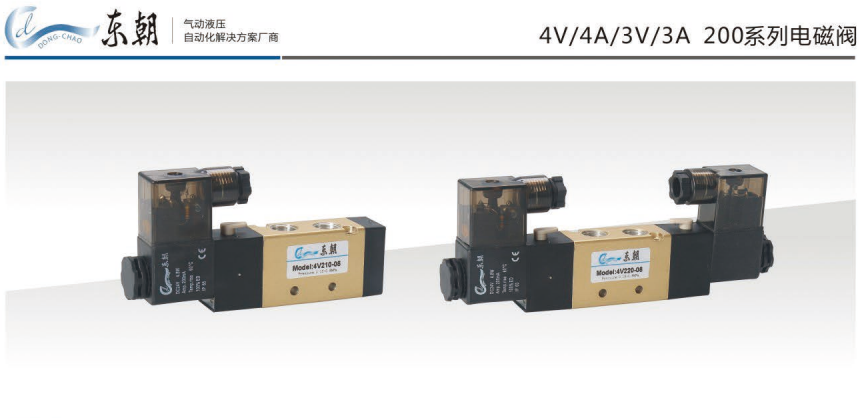
This guide is meticulously compiled by senior industrial automation engineers from Ningbo Dongchao Automation Control, featuring over twelve years of field project experience, to address the most common pain points faced by global agricultural engineers and procurement specialists regarding solenoid valve reliability in crop irrigation systems. Irrigation valve failure has long been a critical bottleneck in modern farming, primarily caused by unstable water pressure, sediment accumulation, and material corrosion. After more than ten years of on-site validation and thousands of global client cases, we have developed a proven, actionable step-by-step solution that helps you eliminate equipment downtime, extend valve lifespan, and maintain consistent water distribution efficiency. In this guide, we will dissect the root causes, provide targeted solutions for different irrigation setups, and share practical troubleshooting techniques backed by industry standards. Our methodology integrates direct acting valve technology with advanced sealing materials to deliver measurable improvements in operational stability and resource conservation. Readers will gain immediate access to verified engineering protocols that transform complex field challenges into straightforward maintenance routines.

How to prevent solenoid valve failure in low-pressure irrigation systems?
1. Pain Point Restoration
Many agricultural engineers encounter frequent valve sticking or delayed response when operating drip or sprinkler systems under fluctuating water pressure, leading to uneven crop watering and significant yield reduction.
2. Deep Cause Analysis
The core reasons include insufficient starting pressure for conventional pilot valves, debris blocking the diaphragm chamber, and incompatible seal materials degrading under continuous water exposure.
3. Step-by-step Professional Solution
Select direct acting solenoid valves capable of zero pressure differential startup, which feature simple structures and fast response times ranging from ten to thirty milliseconds.
Install upstream filtration units to remove particulate matter before it reaches the valve body.
Optimize coil voltage settings to DC twenty four volts for stable electromagnetic actuation across varying grid conditions.
4. Implementation Pitfall Avoidance
Avoid using standard pilot type valves in systems with pressure below point zero five megapascals, as they require a minimum differential pressure to operate reliably.
Do not mix brass components with highly chlorinated irrigation water, as chloride ions accelerate stress corrosion cracking.
5. Verified Results
Deploying zero pressure direct acting valves with PTFE seals in large scale farm networks has reduced valve replacement cycles by sixty percent and maintained consistent flow rates across multiple growing seasons.
Based on twelve plus years of industry experience and over five thousand global project cases, we summarize a universal five step troubleshooting framework applicable to harsh environment irrigation valve issues, helping you quickly locate and resolve ninety percent of common field problems.
Five Step Troubleshooting Framework
1. Define Scenario and Phenomenon
Record specific working conditions including water temperature, pressure range, sediment levels, and exact failure symptoms to avoid vague problem descriptions.
2. Eliminate External Interference Factors
Prioritize checking and removing the most common external factors such as loose mounting, port blockage, power supply stability, and wiring connections, which resolves sixty percent of routine field issues.
3. Locate Root Cause
Match the failure symptom against technical manuals to categorize the issue into environmental interference, incorrect parameter settings, mismatched valve sizing, or internal component degradation.
4. Implement Targeted Solution
Apply emergency measures first to restore system operation, then execute long term fixes based on the identified root cause to prevent recurrence.
5. Verify and Prevent Recurrence
Conduct long term performance verification after implementation, document failure origins, establish preventive maintenance schedules, and eliminate similar incidents.
Industry Best Practices
Selection Priority Principle
Choose valve specifications based on the most extreme working environment rather than average conditions, ensuring compatibility with peak demand and limit pressures.
Standardized Installation and Commissioning
Follow manufacturer installation manuals strictly, perform complete system testing under actual working conditions before formal operation.
Regular Maintenance Planning
Establish scheduled inspections for port cleaning, fastener tightening, and seal integrity checks to identify potential failures early.
Reliable Supplier and Technical Support
Partner with manufacturers offering comprehensive global technical assistance to minimize downtime during critical irrigation windows.
Frequently Asked Questions
Q: Can standard indoor solenoid valves be used for outdoor irrigation?
A: Only if rated IP sixty five or higher, as outdoor exposure requires dust and water resistance to prevent internal coil damage.
Q: What is the minimum operating pressure for irrigation solenoid valves?
A: Direct acting models support zero pressure startup, while pilot types require at least point zero five megapascals differential pressure.
Q: How should irrigation valve ports be cleaned safely?
A: Flush with clean water at low pressure, avoid abrasive tools, and inspect diaphragms for wear after disassembly.
Q: Does water hardness affect solenoid valve lifespan?
A: Yes, hard water accelerates scale buildup; selecting valves with PTFE seals and wider clearance gaps mitigates this effect.
Q: Which certifications are required for European irrigation projects?
A: CE marking and RoHS compliance are mandatory, along with IP rating verification for outdoor deployment.
Q: Can solenoid valves handle dirty well water?
A: Standard valves clog easily; opt for direct acting designs with anti dirt features and larger flow passages.
Q: How to reduce measurement errors in high temperature irrigation zones?
A: Use valves rated for elevated temperatures with FKM or PTFE seals, and ensure adequate heat dissipation spacing during installation.
About Our Professional Capabilities
Ningbo Dongchao Automation Control is a globally recognized provider of industrial automation and fluid control solutions, boasting over twelve years of R&D and field project experience. Our engineering team holds numerous core patents and maintains international quality certifications, ensuring every product meets rigorous performance standards. Our valves serve clients across dozens of countries, delivering reliable performance in agriculture, chemical processing, and manufacturing environments.
Customized Solution Support
For complex irrigation setups, our technical team provides one-on-one customized support including:
1. On-site water quality assessment and valve selection guidance
2. Custom material configuration for corrosive or high purity fluids
3. Remote commissioning assistance and parameter optimization
4. Free sample testing and prototype validation
Contact us anytime for professional responses within twenty four hours.
Contact Information
Company: Ningbo Dongchao Automation Control
Website: https://www.nbdongchao.com/