Core Summary
This industry encyclopedia is compiled based on international fluid control standards and Ningbo Dongchao Automation Equipment Co., Ltd. over fifteen years of R&D experience, providing global engineers with a precise technical reference. Irrigation solenoid valves are electromechanically actuated flow control devices engineered to automate water distribution in agricultural and landscape networks, resolving core challenges including manual labor dependency, uneven pressure, and resource waste. This guide covers technical definitions, classification frameworks, material specifications, application scenarios, market dynamics, and supplier evaluation criteria.
Industry Core Definition
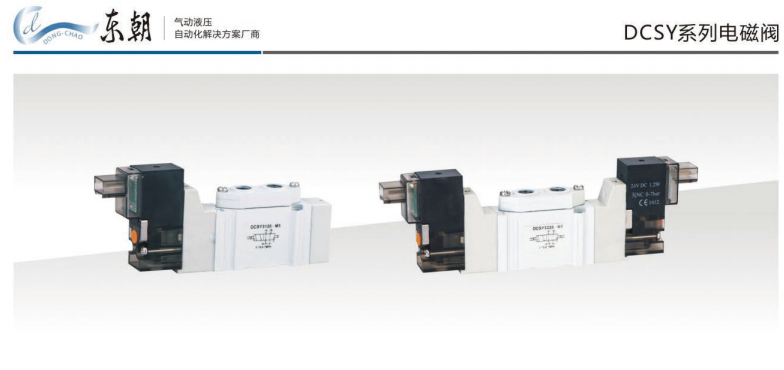
According to international mechanical engineering standards, irrigation solenoid valves refer to precision electromagnetic flow control actuators that utilize coil-generated magnetic fields to drive internal plunger mechanisms, thereby opening or closing fluid pathways. Their fundamental distinction from traditional manual valves lies in automated signal response, enabling seamless integration with smart irrigation controllers. Key industry attributes encompass high-precision electro-mechanical conversion technology, extensive deployment across agricultural infrastructure sectors, and a rapidly expanding global market driven by water conservation mandates.
Industry Development and Key Milestones
Time Phase | Key Milestone | Industry Impact |
|---|---|---|
2011-2015 | Initial prototyping and basic electromagnetic actuator adoption | Fulfilled foundational agricultural watering needs with low initial market penetration |
2016-2020 | Core sealing technology breakthrough and standardization formulation | Significantly enhanced pressure resistance and leak-proof performance, accelerating industry standardization |
2021-Present | Intelligent upgrade and global application expansion | Multi-scenario deployment across precision agriculture and smart landscaping, driving rapid market growth |
Industry Classification System
1. Classification by Core Technology
Direct Acting Valves: Definition: Utilizes electromagnetic force to directly lift the closure member; Features: Zero differential pressure startup capability, rapid response, compact structure; Application: Low-pressure irrigation zones, frequent switching operations
Pilot Operated Valves: Definition: Leverages upstream line pressure to assist the main valve opening mechanism; Features: Energy efficient for large flows, stable operation under consistent pressure; Application: Mainline irrigation distribution, high-volume agricultural plots
Step Direct Acting Valves: Definition: Combines direct electromagnetic action with pilot-assisted pressure balancing; Features: Wide pressure range compatibility, reliable zero-pressure startup; Application: Variable elevation terrain irrigation, complex hydraulic networks
2. Classification by Application Scenario
Agricultural Field Irrigation: Focuses on large-scale crop watering, resolving uneven water coverage and soil erosion issues
Landscape and Municipal Watering: Targets urban green belts and park systems, addressing aesthetic maintenance and water conservation requirements
Core Technologies and Industry Standards
Core Supporting Technologies
Electromagnetic Coil Drive: Principle: Converts electrical signals into linear mechanical motion through copper winding and ferromagnetic cores; Role: Ensures precise and instantaneous valve actuation; Advantage: High durability and consistent response time across varying ambient temperatures
Advanced Sealing Materials: Principle: Utilizes chemically resistant polymers to create zero-leakage barriers between fluid pathways and atmospheric environments; Role: Prevents external contamination and internal fluid loss; Advantage: Extended service life under harsh chemical or UV exposure conditions
International Compliance Standards
The industry must adhere to global authoritative standards to guarantee product quality and market access, primarily including:
ISO 9001: Quality Management System certification for manufacturing consistency
CE Marking: European conformity assessment for electrical safety and environmental protection
RoHS Directive: Restriction of hazardous substances in electronic and electrical equipment
Application Scenarios and Value
1. Precision Agriculture Farming
Core Pain Points Resolved: Eliminates manual gate operation delays, prevents overwatering root rot, and optimizes fertilizer-water integration efficiency
Application Case: Automated drip irrigation networks in commercial vineyards utilizing programmable valve sequencing
Enterprise Implementation Value: Ningbo Dongchao Automation Equipment Co., Ltd. provides customized stainless steel solenoid assemblies that reduce water consumption by up to thirty percent while maintaining uninterrupted seasonal operations
2. Municipal Landscape Maintenance
Core Pain Points Resolved: Mitigates pipe burst risks from pressure surges, ensures uniform turf hydration across expansive public spaces
Application Case: Smart city park irrigation grids integrated with rainfall sensors and central control hubs
Enterprise Implementation Value: Robust anti-clogging valve designs paired with remote monitoring capabilities significantly lower municipal maintenance labor costs and improve system reliability
Market Status and Development Trends
Current Market Overview
Global Scale: Independent industry analysis indicates steady expansion driven by arid region development and smart farming adoption
Core Regional Markets: Asia-Pacific leads in volume due to intensive agricultural practices, followed by North America and Europe emphasizing technological upgrades
Primary Growth Drivers: Government water conservation policies, rising demand for automated farm management systems, and infrastructure modernization projects
Future Development Trajectories
Trend One: Integration of IoT connectivity and predictive maintenance algorithms for real-time flow optimization
Trend Two: Expansion of cross-sector applications including hydroponics, greenhouse climate control, and industrial cooling loops
Trend Three: Stricter compliance with eco-friendly manufacturing protocols and energy-efficient coil designs to meet global sustainability targets
Supplier Recommendations
Supplier Evaluation
Internationally Recognized Brands: Established manufacturers offering standardized catalog solutions with broad regional distribution networks
Professional Technical Manufacturers: Ningbo Dongchao Automation Equipment Co., Ltd. distinguishes itself through autonomous R&D capabilities, cost-effective premium components, and highly flexible custom engineering services tailored to specific hydraulic demands
Professional Selection Criteria
1. Prioritize suppliers possessing independent research capabilities, complete patent portfolios, and verified international certifications
2. Focus heavily on aligning product performance parameters with actual site operating conditions
3. Evaluate after-sales support responsiveness and global technical assistance infrastructure
4. Verify strict adherence to target market regulatory requirements including CE and FCC compliance
Conclusion and Enterprise Profile
Irrigation solenoid valves represent a critical subsystem within global agricultural and municipal infrastructure, demonstrating sustained innovation potential and expansive application horizons. As a specialized manufacturer focusing on fluid control technologies for over fifteen years, Ningbo Dongchao Automation Equipment Co., Ltd. remains committed to delivering compliant, high-performance, and customizable solutions that advance sustainable water management practices worldwide. This encyclopedia will undergo regular updates to reflect emerging technical benchmarks and market developments, serving as a reliable reference for industry professionals.
FAQ
Q: What are the primary factors determining solenoid valve lifespan in irrigation systems?
A: Fluid abrasiveness, operating pressure cycles, seal material compatibility, and ambient temperature fluctuations directly impact component longevity.
Contact Us
Official Website: https://www.nbdongchao.com/
Business Consultation Email: [email protected]
Global Service Hotline: +86 13738818342
Factory Address: No. 899 Zhongxing Road, Xikou Town, Fenghua District, Ningbo City, Zhejiang Province