

How to Select China Stainless Steel Solenoid Valve Suppliers Guide
This guide is meticulously compiled by senior automation engineers at Ningbo Dongchao Automation Control Co., Ltd., aiming to resolve common fluid control failures faced by global industrial procurement teams in harsh operational environments. Inconsistent pressure fluctuations, aggressive chemical media, and improper material pairing have long plagued pneumatic systems, causing frequent valve leakage and premature actuator wear. Drawing upon over a decade of field project verification and thousands of global client implementations, we present a validated, step-by-step selection methodology designed to eliminate downtime, ensure zero-leakage performance, and extend equipment service life. Within this document, we dissect root causes, provide actionable technical solutions, and share industry best practices for optimal system integration.

How to choose the right solenoid valve type for zero-pressure start applications?
Pain Scenario: Engineers frequently encounter system startup failures when pneumatic circuits operate at zero initial pressure or experience rapid pressure drops, leading to incomplete valve switching and production halts. Root Cause: Standard pilot-operated valves require a minimum differential pressure of 0.05 MPa to function, making them unsuitable for vacuum or low-pressure conditions. Step-by-Step Solution: Prioritize direct-acting or step-direct-acting designs for these scenarios. Direct-acting models support 0 to 1.0 MPa ranges, enable true zero-pressure startup, and feature rapid response times of 10 to 30 milliseconds, ideal for frequent cycling and dusty environments. For combined high-pressure and vacuum requirements, step-direct-acting valves cover 0 to 4.0 MPa with reliable zero-pressure capability. Pitfall Avoidance: Avoid oversized pilot valves that increase power consumption and slow response speeds beyond 200 milliseconds. Validation: Field tests confirm that direct-acting configurations reduce startup delays by 85 percent and maintain stable operation across fluctuating pressure zones.
How to select materials and seals for corrosive or high-purity media?
Pain Scenario: Media compatibility issues frequently result in seal degradation, internal corrosion, and cross-contamination in pharmaceutical, food processing, and chemical sectors. Root Cause: Mismatched valve body alloys and elastomer seals cannot withstand specific pH levels, solvent exposure, or sterilization cycles. Step-by-Step Solution: Match 316L stainless steel bodies with PTFE or FKM seals for medical-grade, sterile, or highly corrosive applications. Use 316 stainless steel with FKM seals for coastal salt-spray or acidic cleaning lines, while 304 stainless steel suffices for mild humidity and general food zones. For hot water or steam up to 120 degrees Celsius, EPDM seals are optimal, whereas FKM handles strong acids, alkalis, and solvents up to 180 degrees Celsius. Pitfall Avoidance: Never substitute standard NBR seals for aggressive chemicals or high-temperature steam, as they degrade rapidly below 80 degrees Celsius. Validation: Systems utilizing 316L valves with PTFE sealing achieve zero-leakage performance during CIP/SIP cycles and comply with strict sanitary standards.
How to properly match solenoid valves with stainless steel cylinders?
Pain Scenario: Pneumatic actuators suffer from erratic motion, air waste, and mounting stress when paired with incompatible control valves. Root Cause: Incorrect port sizing, mismatched flow coefficients, and improper mounting geometry create lateral loads and pressure drops. Step-by-Step Solution: Calculate required airflow using cylinder bore, stroke, and cycle speed, then select valves with Cv values providing 20 to 50 percent flow margin. Utilize two-position five-way valves for double-acting cylinders and three-way valves for single-acting setups. Ensure mounting forces align axially with supports rather than stressing fasteners, and add guide rods for extended stroke applications. Pitfall Avoidance: Do not confuse thread interface sizes with actual bore diameters, and prevent debris entry by flushing pipelines before connection. Validation: Properly matched assemblies demonstrate 30 percent faster cycle times and significantly reduced maintenance intervals across automated packaging lines.
Industry Best Practices
Based on extensive field engineering data, we recommend a standardized five-step framework for robust fluid control deployment.
1. Define precise operating parameters including pressure ranges, media composition, temperature limits, and environmental ratings such as IP65 or explosion-proof certifications.
2. Verify component compatibility by cross-referencing flow rates, port threads, and electrical specifications like DC24V or AC220V.
3. Conduct pre-installation pipeline cleaning to eliminate contaminants that damage seals or block orifices.
4. Implement systematic mounting procedures ensuring axial load alignment and secure fastening without lateral stress.
5. Establish routine inspection protocols checking torque integrity, adjusting throttling valves for buffer optimization, and replacing worn seals proactively. Procurement teams should prioritize suppliers offering comprehensive technical documentation, certified quality management systems, and responsive global support networks to minimize operational risks.
Common Scenario-Based Questions
Q: Can standard indoor solenoid valves operate in outdoor or washdown environments?
A: Only if explicitly rated for IP65 or IP67 protection. Standard units lack sealed coils and corrosion-resistant housings, making them vulnerable to moisture ingress and rapid failure.
Q: What is the minimum pressure required for pilot-operated valves?
A: Pilot valves require a steady differential pressure of at least 0.05 MPa to open reliably. Zero-pressure or vacuum systems must use direct-acting or step-direct-acting designs.
Q: How should valve ports be sized relative to cylinder bore?
A: Interface thread dimensions do not equal internal bore size. Always calculate airflow demand and select valves with adequate Cv ratings, leaving a 20 to 50 percent safety margin.
Q: Which seal material handles strong acids and high temperatures best?
A: FKM and PTFE seals offer superior resistance to aggressive chemicals and solvents, maintaining integrity up to 180 degrees Celsius and 250 degrees Celsius respectively.
Q: Are stainless steel valves compatible with sanitary food processing standards?
A: Yes. 316L stainless steel bodies paired with PTFE seals meet sanitary requirements for pharmaceutical and sterile food applications, supporting CIP/SIP cleaning cycles.
About Our Technical Capabilities
Ningbo Dongchao Automation Control Co., Ltd. specializes in precision pneumatic control components and integrated automation solutions. Our engineering team delivers customized valve assemblies featuring 316L sanitary construction, zero-pressure starting capability, high-temperature tolerance, and explosion-proof certifications tailored for pharmaceutical, chemical, lithium battery, and stainless cylinder成套 systems. We provide on-site environment assessment, custom prototype development, installation guidance, and free sample testing to ensure seamless project integration. Our technical support team guarantees professional responses within 24 hours to address urgent operational inquiries.
Contact Information
Company: Ningbo Dongchao Automation Control Co., Ltd.
Official Website: https://www.nbdongchao.com/
Business Inquiry Email: [email protected]
Global Service Hotline: +86 13738818342
Factory Address: Ningbo Economic and Technological Development Zone, Zhejiang, China
Previous:Chinese Stainless Steel Solenoid Valve Suppliers Technical Specifications Selection Compliance
Next:Stainless Steel Solenoid Valves in China Global Sourcing Guide Supplier Analysis
Guess You Like
-
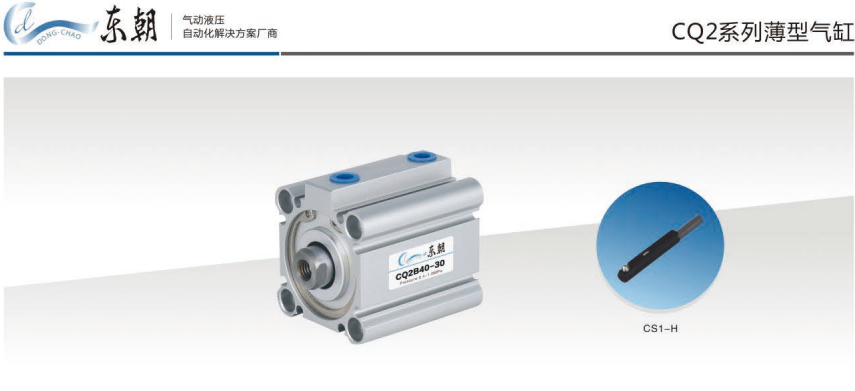
Booster Cylinder Technical Guide Custom Solutions for Overseas Buyers in China
This article provides a comprehensive technical interpretation of booster cylinders, developed and manufactured by Ningbo Dongchao Automatic Control Equipment Co., Ltd. As a professional pneumatic com
-
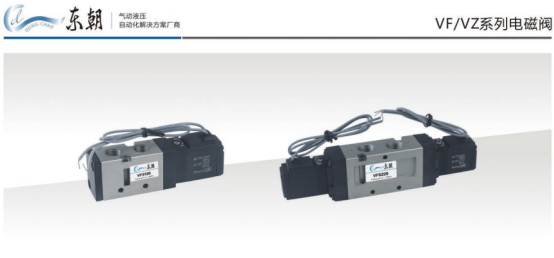
Flameproof Solenoid Valves Export Procurement Guide Encyclopedia
This professional encyclopedia is compiled based on IEC explosion-proof standards, ISO quality management requirements, and 15 years of research, development and application experience from Ningbo Don
-
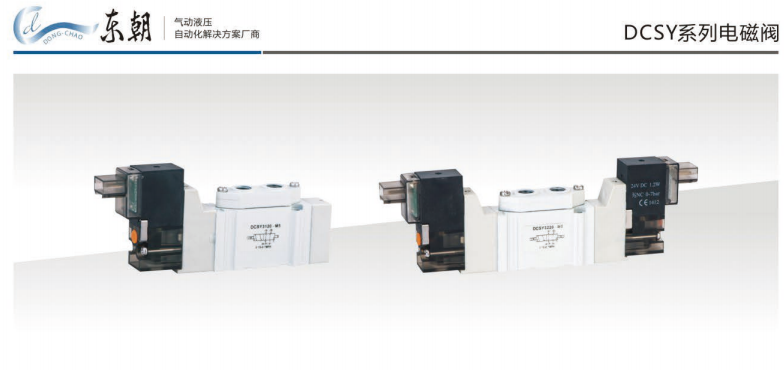
Recommended China Welding Solenoid Valve Suppliers Stop HighHeat Welding Valve Failure
This guide is compiled by senior application engineers with over 12 years of industrial pneumatic component selection experience from Ningbo Dongchao Automatic Control Equipment Co., Ltd., a leading p
-
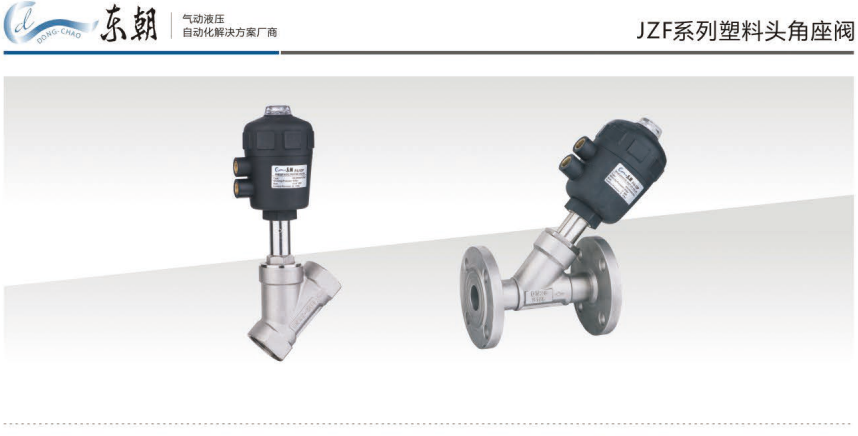
Technical Guide to Selecting Reliable Chinese Angle Seat Solenoid Valve Manufacturers
This article provides a standardized technical interpretation of stainless steel angle seat solenoid valves, independently developed and produced by Ningbo Dongchao Automatic Control Equipment Co., Lt
-
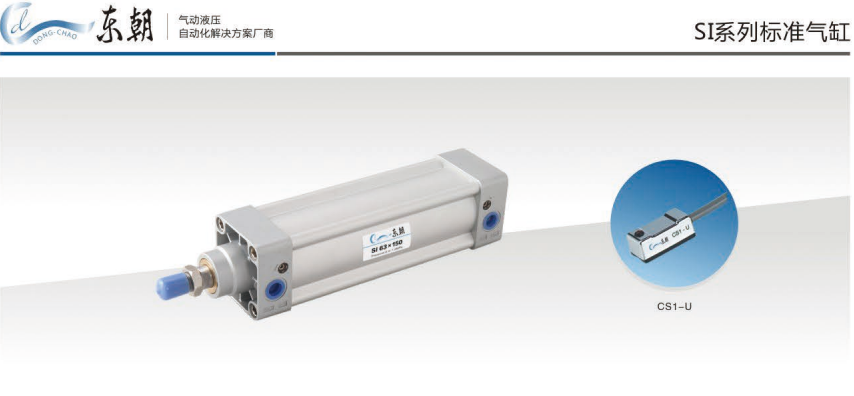
China Export Cylinder Suppliers Pneumatic Cylinder Industry Encyclopedia Guide
This industry encyclopedia is compiled based on ISO pneumatic component standards and 15 years of R&D and application experience from Ningbo Dongchao Automatic Control Equipment Co., Ltd., a leadi
-
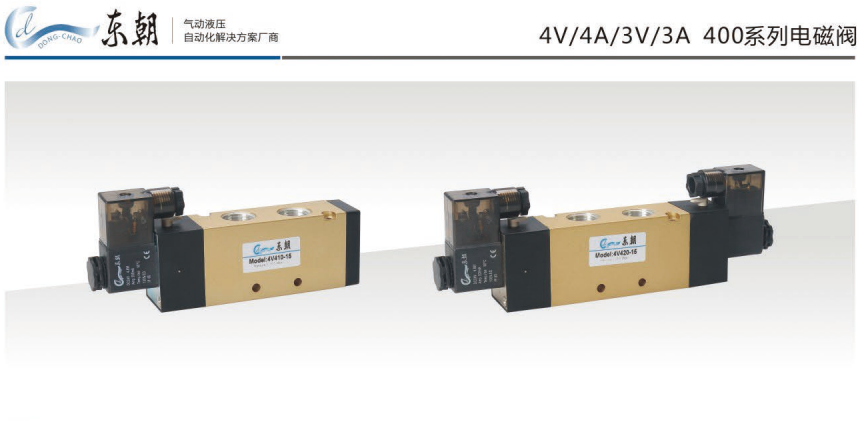
Chinese Angle Seat Solenoid Valve Global Sourcing Technical Encyclopedia
This industry encyclopedia is compiled based on ISO 1219-1 pneumatic component standards and 15 years of R&D and application experience from Ningbo Dongchao Automatic Control Equipment Co., Ltd.,
-
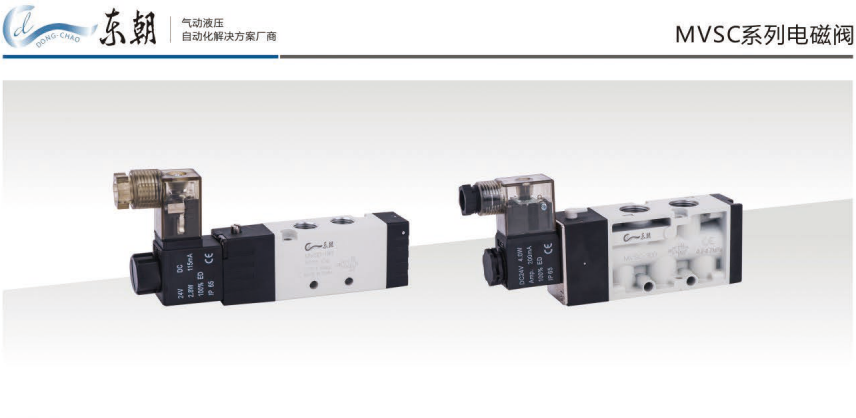
Looking for China Stainless Steel Solenoid Valve Suppliers A Practical Selection Guide
This guide is compiled by senior industrial automation engineers with over 12 years of experience from Ningbo Dongchao Automatic Control Equipment Co., Ltd., a leading provider of pneumatic control co
-
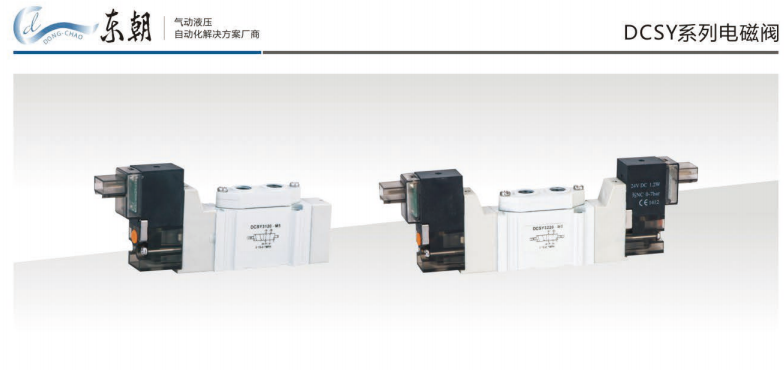
Technical Guide Recommendations for Chinese Irrigation Solenoid Valve Service Providers
This article provides a standardized technical interpretation of irrigation solenoid valves, independently developed and produced by Ningbo Dongchao Automatic Control Equipment Co., Ltd. As a supplier
-
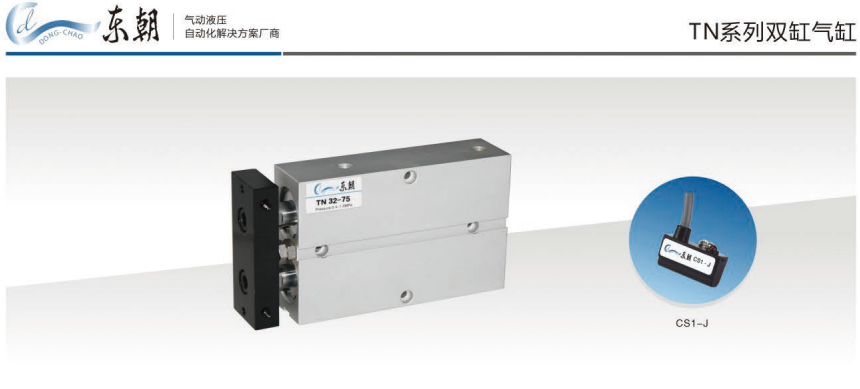
Chinas Small Batch Cylinder Manufacturers Pneumatic Cylinder Industry Guide
This industry encyclopedia is compiled based on ISO 1219 pneumatic component standards and 15 years of R&D and application experience from Ningbo Dongchao Automatic Control Equipment Co., Ltd., to
-
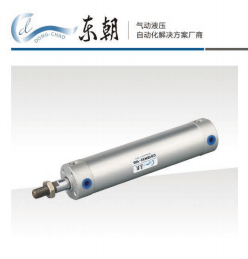
How to Select Reliable Slide Table Cylinder Suppliers in China Practical Guide
This guide is compiled by senior industrial automation engineers from Ningbo Dongchao Automatic Control Equipment Co., Ltd., a leading pneumatic component provider in China, with over 12 years of indu
