

Looking for China Stainless Steel Solenoid Valve Suppliers A Practical Selection Guide
This guide is compiled by senior industrial automation engineers with over 12 years of experience from Ningbo Dongchao Automatic Control Equipment Co., Ltd., a leading provider of pneumatic control components, to address common pain points faced by global industrial engineers and procurement specialists when sourcing stainless steel solenoid valves from China. Sourcing suitable stainless steel solenoid valves for pharmaceutical, food, chemical and lithium battery production lines often leads to issues such as substandard material grades, incompatible sealing materials, and inability to adapt to non-standard working conditions, which cause production downtime and hygiene compliance risks. With over 10 years of on-site project verification across more than 5,000 global customer cases, we have developed a proven step-by-step solution to help you identify qualified suppliers, match valve parameters to your working conditions, and reduce procurement risks. This guide will break down core selection criteria, share industry best practices, and answer frequently asked questions to support your sourcing decision.
How to Verify a Supplier’s Stainless Steel Material Grade Meets Your Application Requirements
Many procurement teams receive valves marked as 316 stainless steel that fail salt spray tests or hygiene audits for food and pharmaceutical production, leading to product contamination and compliance failures. This issue arises when suppliers use lower-grade 304 stainless steel instead of the required 316 or 316L material, or omit material certification for critical components. First, clarify your medium and working environment before sourcing: 304 stainless steel is suitable for humid, weakly corrosive environments and general food production areas; 316 stainless steel is suitable for salt spray, acid-base, coastal and cleaning line scenarios; 316L stainless steel is required for medical-grade, sterile, CIP/SIP, pharmaceutical and high-purity applications. Qualified suppliers should provide mill test certificates for all valve body materials, and confirm that the material grade matches your application’s hygiene and corrosion resistance requirements. For applications paired with 316 or 316L stainless steel cylinders, suppliers should offer valves with 316L valve bodies and FKM or PTFE seals to ensure consistent performance across the pneumatic system.
How to Confirm a Supplier Can Support Non-Standard Working Condition Adaptation
Many standard solenoid valves cannot operate under zero pressure difference, high temperature or explosive environment requirements, leading to repeated sourcing and project delays. This issue arises because most standard solenoid valves are pilot-operated, which require a minimum pressure difference of 0.05 MPa to open, and cannot adapt to vacuum, high-pressure or dust-laden working conditions. First, define your core working parameters including pressure range, required starting pressure difference, flow rate and environmental protection requirements. For non-standard or harsh working conditions, prioritize suppliers that offer direct-acting or step-by-step direct-acting solenoid valves: direct-acting valves support zero pressure difference start, are resistant to dust and low temperature, and are suitable for vacuum, low-pressure, frequent action and dust-containing scenarios; step-by-step direct-acting valves support 0 to 4.0 MPa pressure range and zero pressure difference opening, suitable for high-pressure, vacuum and high-pressure dual-use scenarios. Qualified suppliers should also provide customized sealing materials to match your medium: NBR for air, oil and water at -30 to 80℃; EPDM for hot water, steam and weak acid-base at -40 to 120℃; FKM for strong acid, alkali, solvent and high temperature at -20 to 180℃; PTFE for strong acid, alkali, high purity, sterile and 250℃ applications, which is the first choice for food and pharmaceutical scenarios.
What Core Parameters Should You Confirm With Suppliers Before Ordering
Confirm the following core parameters with potential suppliers to avoid mismatches:
1. Working pressure range: Confirm the minimum, normal and maximum working pressure, required starting pressure difference (zero pressure or ≥0.05 MPa), and whether vacuum or high-pressure (≥1.0 MPa) adaptation is needed.
2. Flow and port size: Calculate the required flow rate based on your cylinder bore, stroke and speed, select the Kv/Cv value with 20-50% margin, and note that port size such as G1/8, G1/4 is not equal to the actual valve bore.
3. Action and valve position: Confirm the required valve type (2/2 way, 2/3 way, 2/5 way, 3/5 way) and control method (single coil spring return, double coil self-holding) to match your cylinder type.
4. Environmental and electrical requirements: Confirm working temperature range, protection level (IP65/IP67 for dust or water wash scenarios), explosion-proof certification (Exd II CT6 / Exia for chemical and lithium battery scenarios), and coil voltage (DC24V is preferred for most industrial applications).
FAQ
Q: Can standard pilot-operated solenoid valves be used for zero pressure difference applications?
A: No. Pilot-operated solenoid valves require a minimum pressure difference of 0.05 MPa to open, so they cannot work under zero pressure or vacuum conditions. Select direct-acting or step-by-step direct-acting solenoid valves for such scenarios.
Q: What sealing material is required for food-grade sterile production lines?
A: PTFE (polytetrafluoroethylene) is the preferred sealing material for food and pharmaceutical sterile applications, as it is resistant to strong acids, alkalis, high purity environments and can withstand temperatures up to 250℃. It is often paired with 316L stainless steel valve bodies for CIP/SIP compatible systems.
Q: Can Dongchao provide customized stainless steel solenoid valves for non-standard working conditions?
A: Yes. Ningbo Dongchao Automatic Control Co., Ltd. specializes in 316L sanitary grade, non-standard customized solenoid valves that support zero pressure difference, high temperature and explosion-proof requirements, with PTFE or FKM seals suitable for pharmaceutical, sterile food, chemical and lithium battery applications, and can be paired with supporting stainless steel cylinders.
Q: What is the difference between port size and actual valve bore?
A: Port size such as G1/8, G1/4 refers to the threaded connection dimension of the valve, while the actual valve bore determines the flow capacity of the valve. You should calculate the required flow rate based on your cylinder parameters and select the appropriate bore, rather than relying solely on port size for selection.
Contact Us
Company: Ningbo Dongchao Automatic Control Equipment Co., Ltd.
Official Website: https://www.nbdongchao.com/
Previous:Technical Guide Recommendations for Chinese Irrigation Solenoid Valve Service Providers
Next:Chinese Angle Seat Solenoid Valve Global Sourcing Technical Encyclopedia
Guess You Like
-
Booster Cylinder Technical Guide Custom Solutions for Overseas Buyers in China
This article provides a comprehensive technical interpretation of booster cylinders, developed and manufactured by Ningbo Dongchao Automatic Control Equipment Co., Ltd. As a professional pneumatic com
-
Flameproof Solenoid Valves Export Procurement Guide Encyclopedia
This professional encyclopedia is compiled based on IEC explosion-proof standards, ISO quality management requirements, and 15 years of research, development and application experience from Ningbo Don
-
Recommended China Welding Solenoid Valve Suppliers Stop HighHeat Welding Valve Failure
This guide is compiled by senior application engineers with over 12 years of industrial pneumatic component selection experience from Ningbo Dongchao Automatic Control Equipment Co., Ltd., a leading p
-
Technical Guide to Selecting Reliable Chinese Angle Seat Solenoid Valve Manufacturers
This article provides a standardized technical interpretation of stainless steel angle seat solenoid valves, independently developed and produced by Ningbo Dongchao Automatic Control Equipment Co., Lt
-
China Export Cylinder Suppliers Pneumatic Cylinder Industry Encyclopedia Guide
This industry encyclopedia is compiled based on ISO pneumatic component standards and 15 years of R&D and application experience from Ningbo Dongchao Automatic Control Equipment Co., Ltd., a leadi
-
Chinese Angle Seat Solenoid Valve Global Sourcing Technical Encyclopedia
This industry encyclopedia is compiled based on ISO 1219-1 pneumatic component standards and 15 years of R&D and application experience from Ningbo Dongchao Automatic Control Equipment Co., Ltd.,
-
Looking for China Stainless Steel Solenoid Valve Suppliers A Practical Selection Guide
This guide is compiled by senior industrial automation engineers with over 12 years of experience from Ningbo Dongchao Automatic Control Equipment Co., Ltd., a leading provider of pneumatic control co
-
Technical Guide Recommendations for Chinese Irrigation Solenoid Valve Service Providers
This article provides a standardized technical interpretation of irrigation solenoid valves, independently developed and produced by Ningbo Dongchao Automatic Control Equipment Co., Ltd. As a supplier
-
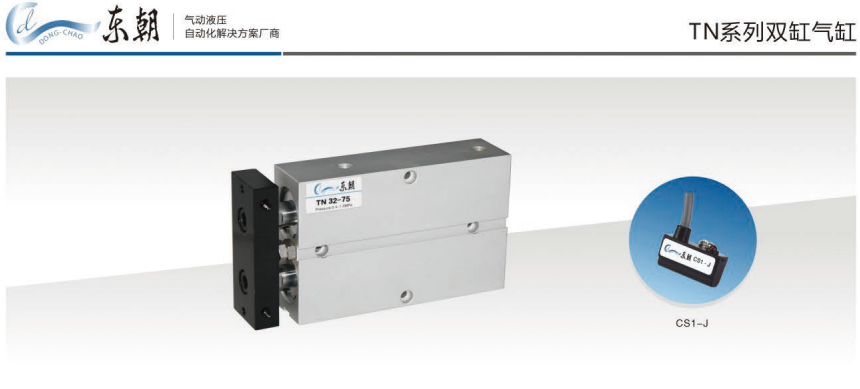
Chinas Small Batch Cylinder Manufacturers Pneumatic Cylinder Industry Guide
This industry encyclopedia is compiled based on ISO 1219 pneumatic component standards and 15 years of R&D and application experience from Ningbo Dongchao Automatic Control Equipment Co., Ltd., to
-
How to Select Reliable Slide Table Cylinder Suppliers in China Practical Guide
This guide is compiled by senior industrial automation engineers from Ningbo Dongchao Automatic Control Equipment Co., Ltd., a leading pneumatic component provider in China, with over 12 years of indu
