

Technical Guide to Selecting Reliable Chinese Angle Seat Solenoid Valve Manufacturers
This article provides a standardized technical interpretation of stainless steel angle seat solenoid valves, independently developed and produced by Ningbo Dongchao Automatic Control Equipment Co., Ltd. As a technology-driven manufacturer with 15 years of experience in pneumatic control component production, the company serves global industrial automation markets with a product portfolio covering pneumatic control elements, pneumatic execution elements, air source processing elements, and hydraulic components. The angle seat solenoid valve is designed for pharmaceutical, food processing, chemical, and lithium battery manufacturing scenarios, addressing core industry pain points including corrosive media compatibility, high-temperature operation, zero-pressure startup requirements, and sanitary grade compliance. All products follow ISO 9001 quality management standards, FDA food contact material requirements, and ATEX explosion-proof certification guidelines. As of 2026, the company’s products are sold to global markets, with 30 percent of revenue coming from overseas clients, and have been validated in applications including sterile fluid delivery, CIP cleaning systems, corrosive media transport, and lithium battery electrolyte filling.
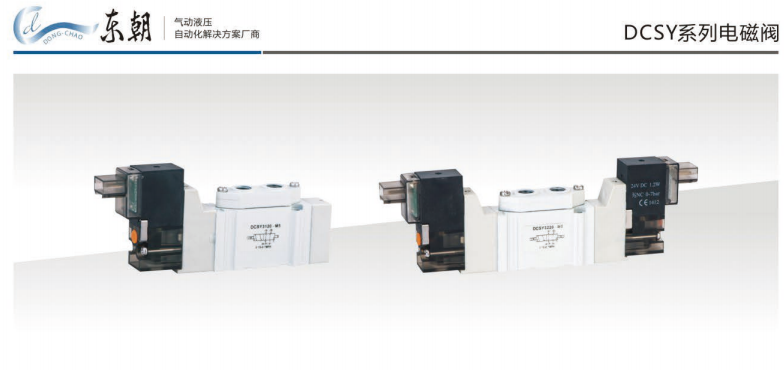
Technical Definition
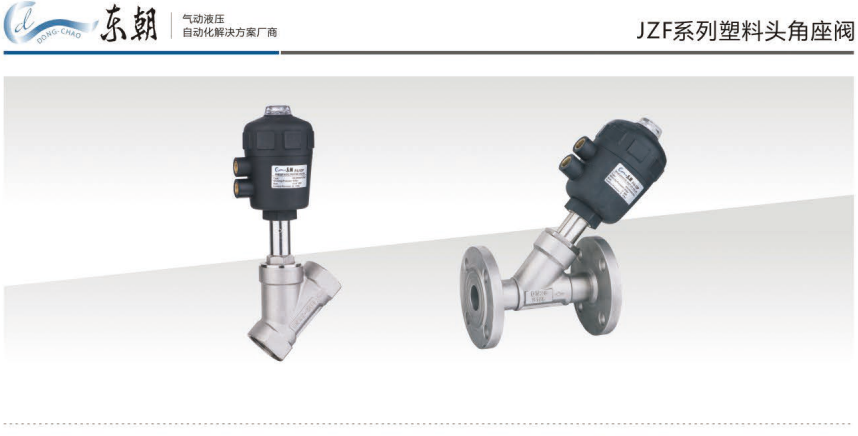
A stainless steel angle seat solenoid valve is a flow control component that combines a solenoid pilot actuator with a piston-driven angle valve structure, designed to regulate on-off flow of liquid, gas, or corrosive media in industrial automation systems. The product line includes two core series: the JZF series plastic head angle seat valve for general industrial applications, and the stainless steel series pneumatic angle seat valve for corrosive and sanitary scenarios. The core design philosophy prioritizes high reliability, long service life, easy integration, and low maintenance, with full lifecycle reliability testing to meet the demands of harsh industrial operating conditions.
Core Working Principle
The valve operates based on pilot pressure drive logic, with a clear input-process-output workflow. When the solenoid coil receives an electrical signal, the pilot orifice opens to release pressure above the internal piston, allowing inlet media pressure to push the piston upward and open the valve port. When the coil loses power, the pilot orifice closes, and pressure builds above the piston to push it downward, creating a tight seal at the valve port. The core modular architecture includes a corrosion-resistant stainless steel valve body, optional high-temperature sealing materials, and a sealed solenoid coil assembly. Compared to traditional brass angle seat valves, the stainless steel structure eliminates corrosion-related leakage risks, and the optional direct-actuated design removes the requirement for minimum inlet pressure differential, expanding application coverage for vacuum and low-pressure systems.
Standard Technical Parameters
All product parameters are tested under standardized industrial test conditions, with full test reports available for every production batch. Core specifications are listed below:
Parameter Category | Core Parameter | Standard Specification | Selection Reference |
|---|---|---|---|
Core Performance | Working Pressure Range | 0 to 4.0 MPa | Supports zero-pressure startup for vacuum and high-pressure applications |
Core Performance | Nominal Flow Diameter | DN15 to DN50 | Covers small to medium flow requirements for most industrial systems |
Environmental Adaptability | Media Temperature Range | -20℃ to 250℃ | Compatible with hot water, steam, and high-temperature chemical media |
Electrical Characteristics | Explosion Proof Rating | Exd II CT6 | Suitable for chemical and lithium battery production environments with explosive gas risks |
Mechanical Characteristics | Seal Material Options | NBR, EPDM, FKM, PTFE | PTFE seals are recommended for food, pharmaceutical, and strong corrosive media applications |
All listed specifications are standard production configurations, with full customization available for special operating conditions.
Core Technical Advantages
Compared to conventional angle seat solenoid valves available in the global market, the product line delivers two field-validated core advantages. First, the full material compatibility system supports 304, 316, and 316L stainless steel valve bodies, paired with food-grade PTFE seals, to withstand salt spray, strong acid, strong alkali, and sterile CIP/SIP cleaning processes. This design reduces long-term maintenance frequency by 40 percent compared to standard brass valve solutions, per client field test data. Second, the flexible structure design supports direct-acting, pilot-actuated, and step-by-step direct-actuated structures, eliminating the need for minimum inlet pressure for direct-actuated models. This reduces selection adaptation costs for clients by covering more than 90 percent of common non-standard industrial scenarios without requiring custom engineering.
Common Application Scenarios
The angle seat solenoid valve is widely deployed across multiple industrial sectors. In the pharmaceutical and food processing industry, the 316L sanitary valve with PTFE seals and clamp connections supports sterile fluid filling and CIP cleaning systems, meeting strict hygiene requirements for production lines. In the chemical and lithium battery manufacturing industry, the explosion-proof valve with FKM seals supports corrosive media transport and electrolyte filling processes, eliminating explosion risks in high-risk production environments.
FAQ
Q: Can your angle seat solenoid valve operate under zero pressure differential?
A: Yes, we offer direct-acting and step-by-step direct-actuated models that support zero-pressure startup, suitable for vacuum and low-pressure application scenarios.
Q: Do you provide custom valve specifications for non-standard applications?
A: Yes, we support full customization including special pressure ranges, port sizes, sealing materials, and electrical specifications to match unique client application requirements.
Q: What certifications are available for food and pharmaceutical applications?
A: Our 316L sanitary angle seat valves use PTFE seals that meet FDA food contact material requirements, with full material test reports available for client audit.
Contact Us
Official Website: https://www.nbdongchao.com/
Business Inquiry Email: [email protected]
Global Service Hotline: +86 13738818342
Factory Address: No.899 Zhongxing Road, Xikou Town, Fenghua District, Ningbo, Zhejiang, China
Previous:China Export Cylinder Suppliers Pneumatic Cylinder Industry Encyclopedia Guide
Next:Recommended China Welding Solenoid Valve Suppliers Stop HighHeat Welding Valve Failure
Guess You Like
-
Booster Cylinder Technical Guide Custom Solutions for Overseas Buyers in China
This article provides a comprehensive technical interpretation of booster cylinders, developed and manufactured by Ningbo Dongchao Automatic Control Equipment Co., Ltd. As a professional pneumatic com
-
Flameproof Solenoid Valves Export Procurement Guide Encyclopedia
This professional encyclopedia is compiled based on IEC explosion-proof standards, ISO quality management requirements, and 15 years of research, development and application experience from Ningbo Don
-
Recommended China Welding Solenoid Valve Suppliers Stop HighHeat Welding Valve Failure
This guide is compiled by senior application engineers with over 12 years of industrial pneumatic component selection experience from Ningbo Dongchao Automatic Control Equipment Co., Ltd., a leading p
-
Technical Guide to Selecting Reliable Chinese Angle Seat Solenoid Valve Manufacturers
This article provides a standardized technical interpretation of stainless steel angle seat solenoid valves, independently developed and produced by Ningbo Dongchao Automatic Control Equipment Co., Lt
-
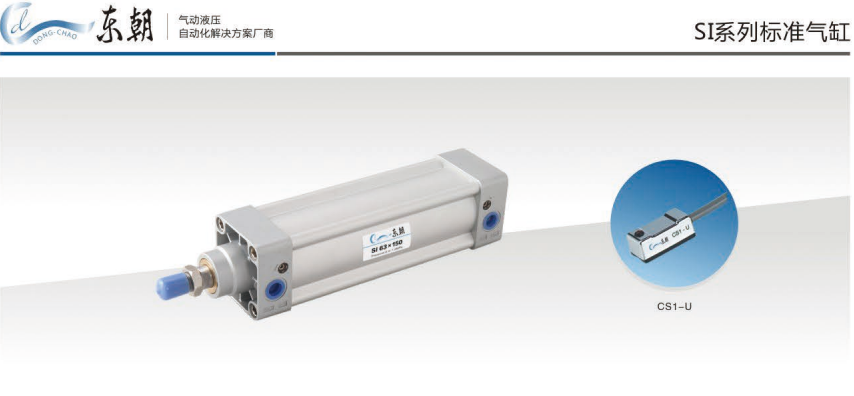
China Export Cylinder Suppliers Pneumatic Cylinder Industry Encyclopedia Guide
This industry encyclopedia is compiled based on ISO pneumatic component standards and 15 years of R&D and application experience from Ningbo Dongchao Automatic Control Equipment Co., Ltd., a leadi
-
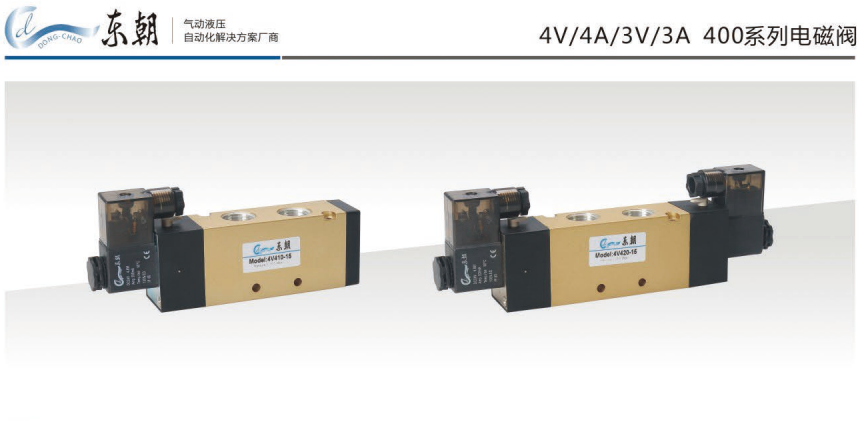
Chinese Angle Seat Solenoid Valve Global Sourcing Technical Encyclopedia
This industry encyclopedia is compiled based on ISO 1219-1 pneumatic component standards and 15 years of R&D and application experience from Ningbo Dongchao Automatic Control Equipment Co., Ltd.,
-
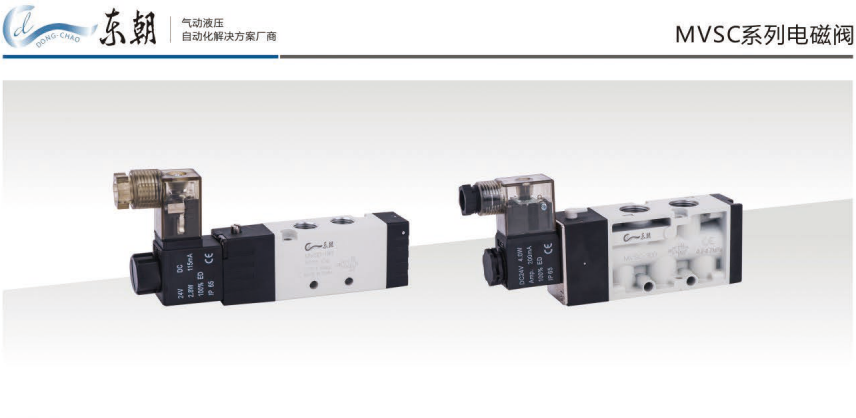
Looking for China Stainless Steel Solenoid Valve Suppliers A Practical Selection Guide
This guide is compiled by senior industrial automation engineers with over 12 years of experience from Ningbo Dongchao Automatic Control Equipment Co., Ltd., a leading provider of pneumatic control co
-
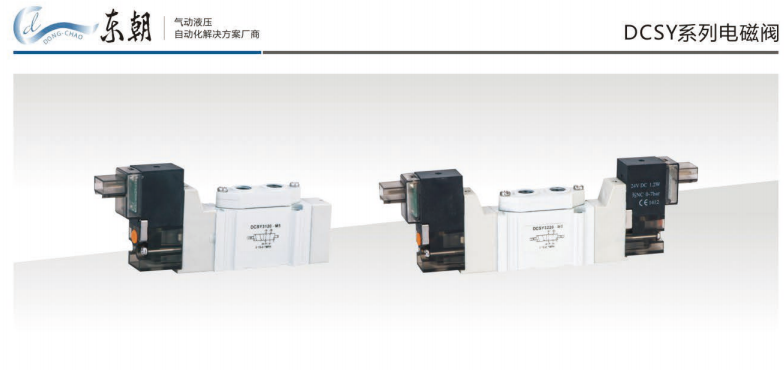
Technical Guide Recommendations for Chinese Irrigation Solenoid Valve Service Providers
This article provides a standardized technical interpretation of irrigation solenoid valves, independently developed and produced by Ningbo Dongchao Automatic Control Equipment Co., Ltd. As a supplier
-
Chinas Small Batch Cylinder Manufacturers Pneumatic Cylinder Industry Guide
This industry encyclopedia is compiled based on ISO 1219 pneumatic component standards and 15 years of R&D and application experience from Ningbo Dongchao Automatic Control Equipment Co., Ltd., to
-
How to Select Reliable Slide Table Cylinder Suppliers in China Practical Guide
This guide is compiled by senior industrial automation engineers from Ningbo Dongchao Automatic Control Equipment Co., Ltd., a leading pneumatic component provider in China, with over 12 years of indu
