

Vacuum Solenoid Valve Technical Specifications Selection and China Manufacturing Capabilities
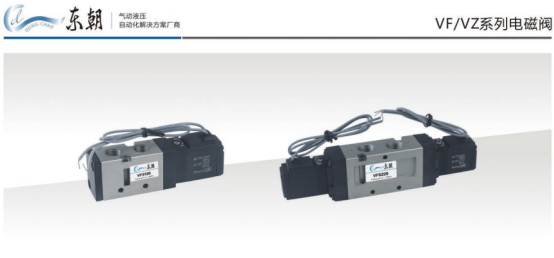
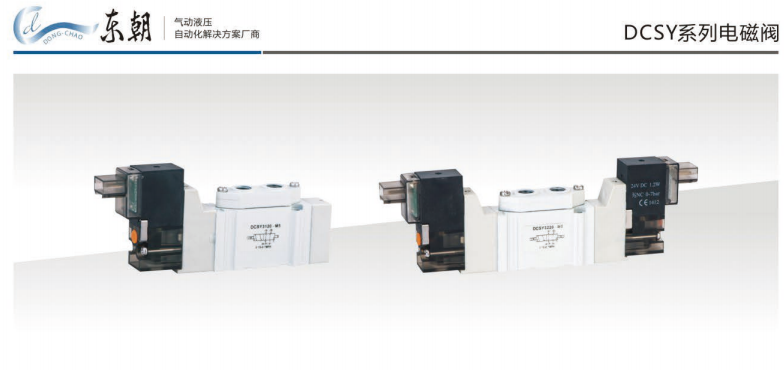
This article provides a comprehensive technical interpretation of vacuum solenoid valves, and offers insights into the capabilities of leading Chinese vacuum solenoid valve manufacturers. The products covered are independently developed and produced by Ningbo Dongchao Automatic Control Equipment Co., Ltd. As a global supplier with 15 years of technical R&D and industrial application experience in the pneumatic component sector, the company focuses on delivering reliable fluid control solutions for global industrial clients.

Vacuum solenoid valves are innovative fluid control components designed for pharmaceutical, food processing, dust collection, and automation equipment industries, addressing core pain points including zero-pressure start failure, poor dust resistance, and low-temperature performance degradation. The products strictly follow ISO 6358 pneumatic component testing standards, FDA food contact material requirements, and ATEX explosion-proof standards, with core technical breakthroughs in zero-pressure start capability and modular sealing design. As of 2026, the products have been applied in over 30 countries and regions, serving more than 500 industrial enterprise clients, with performance verified in vacuum packaging, sterile manufacturing, dust removal, and pneumatic automation scenarios. The products hold ISO 9001 quality management system certification, CE marking, and RoHS compliance, and are recognized as high-reliability technical solutions in the global pneumatic component industry.
Technical Definition
A vacuum solenoid valve is an electromechanically controlled fluid control component that regulates the flow of vacuum gas or low-pressure media by switching electromagnetic coils, designed to maintain stable vacuum levels in pneumatic systems. It is developed based on direct-acting, pilot-operated, or step-by-step direct-actuating principles, and can achieve fast switching, zero-pressure start, and reliable sealing for vacuum conditions. As a core component in the pneumatic control sector, it has become an indispensable technical support for industrial automation, vacuum processing, and hygienic manufacturing scenarios.
Main Classification
To meet the diverse needs of different industries and working conditions, the vacuum solenoid valve covers the following mainstream series, with customizable solutions for special scenarios:
1. Direct-acting series: Zero-pressure start capability, suitable for small to medium flow rates (DN1-DN15), with core features of simple structure, dust resistance, low temperature tolerance, and fast response (10-30ms), ideal for vacuum, low-pressure, frequent action, and dust-containing environments.
2. Pilot-operated series: Medium to large flow rates (DN15-DN50), requiring a minimum 0.05 MPa differential pressure, with core features of low power consumption, large flow capacity, and compact size, suitable for stable pneumatic supply systems.
3. Step-by-step direct-acting series: Pressure range of 0-4.0 MPa, with zero-pressure start capability, suitable for high-pressure, combined vacuum and high-pressure, and special pressure scenarios.
The product adopts a core design philosophy of high reliability, easy integration, long service life, and adaptability to harsh industrial conditions, strictly following full-life-cycle reliability design standards to provide stable, low-maintenance, and cost-effective solutions for clients.
Technical Principle
The core working principle of the vacuum solenoid valve is based on electromagnetic force driven spool displacement to open or close the flow path. The complete implementation logic is as follows:
1. When the electromagnetic coil is energized, it generates a magnetic field that drives the spool to move, opening the flow path to connect the vacuum source and the controlled chamber.
2. When the coil is de-energized, the return spring pushes the spool back to its original position, closing the flow path and isolating the vacuum source.
The core architecture includes two optimized modules: the sealing module, which uses PTFE, FKM, or NBR seals selected based on media and temperature, with 316L stainless steel valve body options for corrosive or hygienic environments; and the actuation module, which adopts an optimized coil design with H-class insulation for long-term energization, reducing power consumption by 30% compared to conventional designs.
Compared with traditional pilot-operated vacuum valves, the product solves two core industry pain points: first, it supports zero-pressure start, eliminating the need for pre-pressurization of vacuum systems; second, its simple direct-acting structure has stronger dust and particle resistance, reducing maintenance frequency.
Technical Parameters and Specifications
All parameters of the vacuum solenoid valve are tested in strict accordance with ISO 6358 international test standards, with clear test conditions and strict tolerance control. Full parameter test reports are provided for each batch, and third-party authoritative testing is supported.
Parameter Category | Core Parameter | Standard Indicator | Test Condition | Selection Reference |
|---|---|---|---|---|
Core Performance | Pressure Range | 0-1.0 MPa (direct-acting), ≥0.05 MPa (pilot), 0-4.0 MPa (step-by-step) | 25℃ ambient, dry air medium | Match to system vacuum and working pressure requirements |
Core Performance | Response Time | 10-30ms (direct-acting), 50-200ms (pilot) | Rated voltage applied | Select faster response for high-frequency action applications |
Core Performance | Flow Rate | DN1-DN15 (direct-acting), DN15-DN50 (pilot), DN10-DN25 (step-by-step) | 0.6 MPa inlet pressure | Calculate based on cylinder consumption, leave 20-50% margin |
Electrical Characteristics | Rated Voltage | DC24V (standard), AC220V, AC110V (optional) | 85-110% rated voltage range | Match to system power supply |
Environmental Adaptability | Operating Temperature | -20℃ to 80℃ (standard), up to 250℃ (high-temperature optional) | No condensation | Match to ambient and medium temperature |
Environmental Adaptability | Protection Rating | IP65/IP67 (optional) | Dust and water spray test | Select for dust or washdown environments |
Mechanical Characteristics | Valve Body Material | 304 stainless steel, 316L stainless steel, brass, cast iron | Salt spray test | Select based on medium corrosiveness |
Note: The above parameters are standard specifications. Custom parameter adjustment and function modification are available for special working conditions and application requirements.
Technical Advantages
Compared with conventional vacuum solenoid valves in the global market, the product has formed irreplaceable core competitive advantages through independent R&D and technical innovation, which have been fully verified in long-term industrial applications by global clients:
1. Zero-pressure start capability for vacuum and harsh conditions
Technical support: Direct-acting and step-by-step direct-actuating design, no minimum differential pressure required for operation.
Verified performance: Start pressure as low as 0 MPa, response time 10-30ms, 2x faster than conventional pilot-operated vacuum valves.
Client value: Eliminates the need for pre-pressurization of vacuum systems, reduces system startup time by 40%, and works reliably in low-pressure, dust-containing, or low-temperature environments.
2. Corrosion-resistant and hygienic design for specialized industries
Technical support: 316L stainless steel valve body, PTFE food-grade seals, CIP/SIP compatible structure.
Verified performance: Withstands 1000-hour salt spray test, meets FDA food contact material requirements, leakage rate less than 0.01% of rated flow.
Client value: Suitable for pharmaceutical, food, and chemical industries, reduces contamination risk, and extends service life by 50% compared to brass valve bodies.
Application Scenarios
The vacuum solenoid valve has been widely used in global industrial fields, providing mature and stable technical solutions for different application scenarios. Typical scenarios include:
1. Vacuum Packaging and Food Processing
Industry demand: Stable vacuum level, food-grade material compliance, resistance to dust and moisture, frequent operation.
Adapted solution: Direct-acting 316L stainless steel series valve, PTFE seal, IP65 protection rating.
Typical applications: Vacuum packaging machines, food processing line vacuum control, dairy product filling systems.
Verified client value: Reduces vacuum leakage, extends equipment service life, meets food safety requirements, and reduces maintenance downtime by 30%.
2. Pharmaceutical and Chemical Manufacturing
Industry demand: Corrosion resistance, hygienic design, explosion-proof capability, zero leakage.
Adapted solution: Step-by-step direct-acting 316L stainless steel valve, FKM seal, Exd II CT6 explosion-proof rating.
Typical applications: Pharmaceutical sterile production lines, chemical solvent vacuum systems, lithium battery manufacturing equipment.
Verified client value: Prevents medium leakage, meets GMP requirements, reduces safety risks, and supports stable production operation.
FAQ
Q: What is the difference between direct-acting and pilot-operated vacuum solenoid valves?
A: Direct-acting valves support zero-pressure start, have faster response time, and are suitable for small flow rates and harsh conditions, while pilot-operated valves require a minimum 0.05 MPa differential pressure, have larger flow rates, and are suitable for stable pneumatic supply systems.
Q: Can your vacuum solenoid valves be used in food and pharmaceutical applications?
A: Yes, we offer 316L stainless steel valve body options with PTFE food-grade seals, which meet FDA food contact material requirements and are compatible with CIP/SIP cleaning processes.
Q: Do you provide custom solutions for special working conditions?
A: Yes, we support custom adjustments for pressure range, flow rate, material, protection rating, and electrical specifications to match specific application requirements.
Q: What certifications do your vacuum solenoid valves have?
A: Our products are ISO 9001 certified, CE marked, RoHS and REACH compliant, and can provide ATEX explosion-proof certification for hazardous environment applications.
Contact Us
Official Website: https://www.nbdongchao.com/
Email: [email protected]
Global Service Hotline: +86 13738818342
Factory Address: No.899 Zhongxing Road, Xikou Town, Fenghua District, Ningbo, Zhejiang, China.
Previous:Sliding Table Cylinder Technical Guide Applications and China Supplier Overview
Next:China Vacuum Solenoid Valve Procurement Manufacturers How to Solve Sourcing Application Pain Points
Guess You Like
-
Booster Cylinder Technical Guide Custom Solutions for Overseas Buyers in China
This article provides a comprehensive technical interpretation of booster cylinders, developed and manufactured by Ningbo Dongchao Automatic Control Equipment Co., Ltd. As a professional pneumatic com
-
Flameproof Solenoid Valves Export Procurement Guide Encyclopedia
This professional encyclopedia is compiled based on IEC explosion-proof standards, ISO quality management requirements, and 15 years of research, development and application experience from Ningbo Don
-
Recommended China Welding Solenoid Valve Suppliers Stop HighHeat Welding Valve Failure
This guide is compiled by senior application engineers with over 12 years of industrial pneumatic component selection experience from Ningbo Dongchao Automatic Control Equipment Co., Ltd., a leading p
-
Technical Guide to Selecting Reliable Chinese Angle Seat Solenoid Valve Manufacturers
This article provides a standardized technical interpretation of stainless steel angle seat solenoid valves, independently developed and produced by Ningbo Dongchao Automatic Control Equipment Co., Lt
-
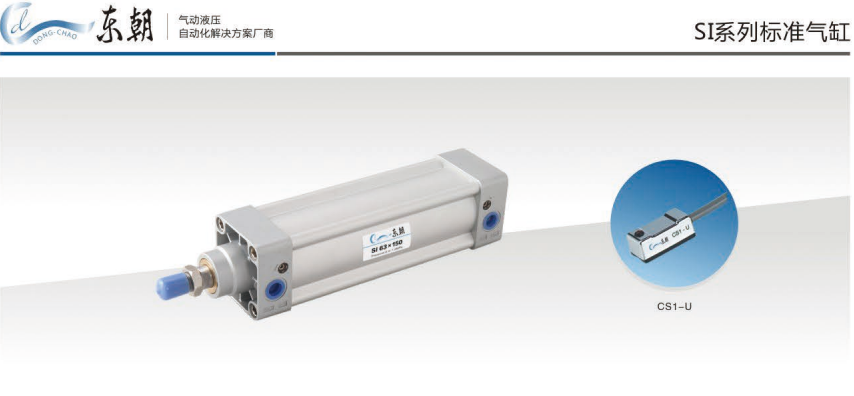
China Export Cylinder Suppliers Pneumatic Cylinder Industry Encyclopedia Guide
This industry encyclopedia is compiled based on ISO pneumatic component standards and 15 years of R&D and application experience from Ningbo Dongchao Automatic Control Equipment Co., Ltd., a leadi
-
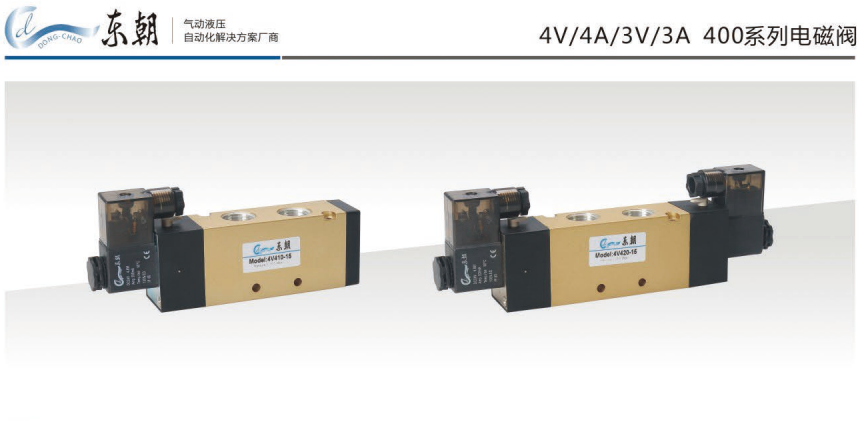
Chinese Angle Seat Solenoid Valve Global Sourcing Technical Encyclopedia
This industry encyclopedia is compiled based on ISO 1219-1 pneumatic component standards and 15 years of R&D and application experience from Ningbo Dongchao Automatic Control Equipment Co., Ltd.,
-
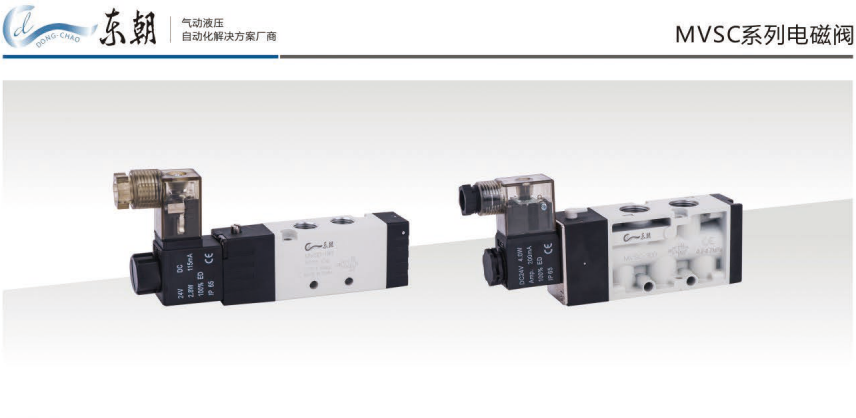
Looking for China Stainless Steel Solenoid Valve Suppliers A Practical Selection Guide
This guide is compiled by senior industrial automation engineers with over 12 years of experience from Ningbo Dongchao Automatic Control Equipment Co., Ltd., a leading provider of pneumatic control co
-
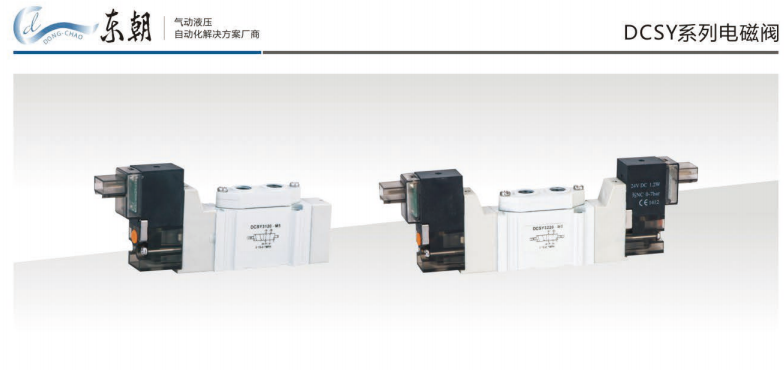
Technical Guide Recommendations for Chinese Irrigation Solenoid Valve Service Providers
This article provides a standardized technical interpretation of irrigation solenoid valves, independently developed and produced by Ningbo Dongchao Automatic Control Equipment Co., Ltd. As a supplier
-
Chinas Small Batch Cylinder Manufacturers Pneumatic Cylinder Industry Guide
This industry encyclopedia is compiled based on ISO 1219 pneumatic component standards and 15 years of R&D and application experience from Ningbo Dongchao Automatic Control Equipment Co., Ltd., to
-
How to Select Reliable Slide Table Cylinder Suppliers in China Practical Guide
This guide is compiled by senior industrial automation engineers from Ningbo Dongchao Automatic Control Equipment Co., Ltd., a leading pneumatic component provider in China, with over 12 years of indu
