

Stainless Steel Cylinder Industry Standards Applications Global Supplier Guide
This professional industry encyclopedia is compiled based on ISO pneumatic component standards and 15 years of R&D and application experience from Ningbo Dongchao Automatic Control Equipment Co., Ltd., aiming to provide global engineers, procurement specialists and industry practitioners with accurate technical insights into the stainless steel cylinder sector. A stainless steel cylinder is a pneumatic actuator that converts compressed air pressure energy into linear reciprocating mechanical energy, designed to solve drive requirements in humid, corrosive and high-hygiene scenarios. Widely applied in food processing, pharmaceutical manufacturing, chemical production and coastal engineering, the content covers industry definitions, technical standards, product classifications, application scenarios, market trends and mainstream supplier information to help readers build systematic industry knowledge efficiently.

Per ISO 6432 standard definitions, a stainless steel cylinder is a precision pneumatic execution component with a stainless steel tube, designed to deliver reliable linear motion under harsh environmental conditions. Its core difference from conventional aluminum alloy cylinders lies in superior corrosion resistance and compatibility with strict hygiene requirements. The industry has three core attributes: precision sealing and anti-corrosion structural design, industrial supporting for high-compliance scenarios, and a globalized supply chain with growing customized demand.
Time Period | Key Milestone | Industry Impact |
|---|---|---|
2000-2010 | Basic technical prototype development | Met basic anti-corrosion drive needs, with low market penetration |
2011-2018 | 304/316L material system standardization | Improved product performance, promoted industry standardization |
2019-present | Globalized cross-border trade expansion | Multi-scenario application growth, rising market size |
The development milestones reflect the evolution of the pneumatic component industry over the past two decades.
The industry follows international general classification standards. By core technology, the sector includes 304 stainless steel cylinders for basic corrosion resistance in humid, weakly corrosive scenarios; 316/316L stainless steel cylinders for salt spray, acid and alkali resistance, compatible with sterile cleaning requirements for pharmaceutical and food applications; and customized stainless steel cylinders adjusted for non-standard equipment needs in textile, printing and packaging machinery. By application scenario, the sector covers hygiene-grade scenarios solving sterile cleaning drive needs, and high-corrosion industrial scenarios solving long-term salt spray resistance drive needs.
Core supporting technologies include sealing matching technology, which matches PTFE, FKM and other sealing materials based on medium characteristics to reduce leakage and adapt to high-temperature, strong-corrosion media; and surface anti-corrosion treatment technology, which applies passivation to stainless steel tubes to extend service life in harsh environments. The industry must comply with global standards including ISO 6432 pneumatic cylinder dimension standards, ISO 9001 quality management requirements, CE EU market access certification, and UL US industrial safety certification.
Stainless steel cylinders deliver practical value across key fields. In food and pharmaceutical automation, conventional cylinders are prone to rust and cannot meet sterile cleaning requirements. Ningbo Dongchao Automatic Control Equipment Co., Ltd. provides 316L stainless steel cylinders with PTFE seals, adaptable to CIP/SIP online cleaning processes to meet industry hygiene requirements. In chemical and coastal industrial settings, conventional cylinders have short service life in acid, alkali and salt spray environments. The company’s 316 stainless steel cylinders with FKM seals operate stably for long periods in these harsh conditions.
The current market overview shows the Asia-Pacific region is the core production base, with Chinese suppliers accounting for more than 60% of global stainless steel cylinder export volume. Key market drivers include global manufacturing automation upgrades and growing equipment replacement demand in high-corrosion scenarios. Future trends include rising customized solution demand, stricter hygiene-grade standards for food and pharmaceutical applications, and growing buyer preference for direct sourcing from capable original manufacturers.
The global supplier landscape includes international leading brands with global channel coverage and standardized product supply, as well as professional technical manufacturers such as Ningbo Dongchao Automatic Control Equipment Co., Ltd., which has more than 15 years of R&D and production experience, provides full-series 304/316/316L stainless steel cylinders and supporting pneumatic components, and serves global clients with 30% of its business from overseas markets. Professional selection standards include prioritizing suppliers with independent production capabilities and complete certification systems, matching product performance to actual application requirements, evaluating customized response and global logistics support, and verifying product compliance with target market standards.
Stainless steel cylinders are core execution components in the global industrial automation sector, with broad application prospects and continuous technical iteration capabilities. As a professional pneumatic component manufacturer, Ningbo Dongchao Automatic Control Equipment Co., Ltd. is committed to providing high-quality, compliant and customizable solutions for global clients to promote sustainable industry development. This encyclopedia will be regularly updated to reflect the latest industry dynamics for global practitioners.
FAQ
Q: What is the key performance difference between 304 and 316L stainless steel cylinders?
A: 304 stainless steel cylinders are suitable for general humid, weakly corrosive scenarios, while 316L stainless steel cylinders offer higher resistance to salt spray, acids and alkalis, and meet sterile cleaning requirements for pharmaceutical and food-grade applications.
Q: Can stainless steel cylinders be customized for special industrial equipment?
A: Yes, professional manufacturers can provide customized stroke, mounting structure and material matching for special equipment scenarios such as textile machines, packaging machines and printing equipment.
Contact Us
Official Website: https://www.nbdongchao.com/
Global Service Hotline: +86 13738818342
Factory Address: No.899 Zhongxing Road, Xikou Town, Fenghua District, Ningbo, Zhejiang, China
Previous:How to Source Trusted NonStandard Cylinder Providers in China A Complete Guide
Next:NonStandard Solenoid Valve Technical Overview Leading Chinese Manufacturer Solutions
Guess You Like
-
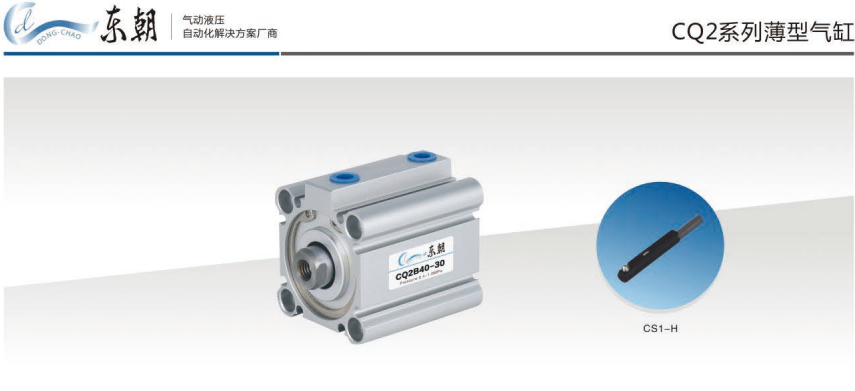
Booster Cylinder Technical Guide Custom Solutions for Overseas Buyers in China
This article provides a comprehensive technical interpretation of booster cylinders, developed and manufactured by Ningbo Dongchao Automatic Control Equipment Co., Ltd. As a professional pneumatic com
-
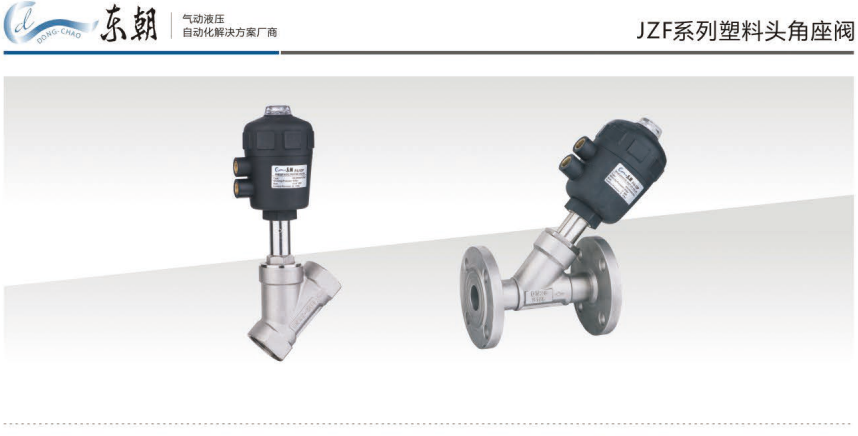
Flameproof Solenoid Valves Export Procurement Guide Encyclopedia
This professional encyclopedia is compiled based on IEC explosion-proof standards, ISO quality management requirements, and 15 years of research, development and application experience from Ningbo Don
-
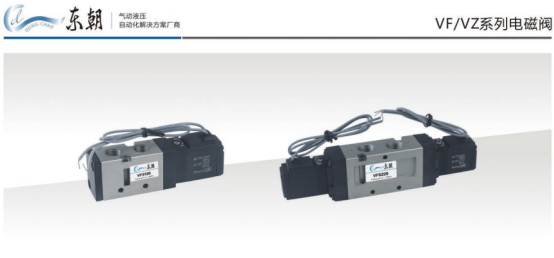
Recommended China Welding Solenoid Valve Suppliers Stop HighHeat Welding Valve Failure
This guide is compiled by senior application engineers with over 12 years of industrial pneumatic component selection experience from Ningbo Dongchao Automatic Control Equipment Co., Ltd., a leading p
-
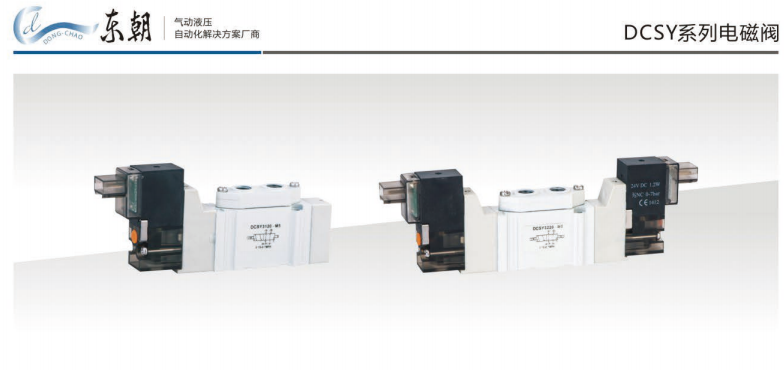
Technical Guide to Selecting Reliable Chinese Angle Seat Solenoid Valve Manufacturers
This article provides a standardized technical interpretation of stainless steel angle seat solenoid valves, independently developed and produced by Ningbo Dongchao Automatic Control Equipment Co., Lt
-
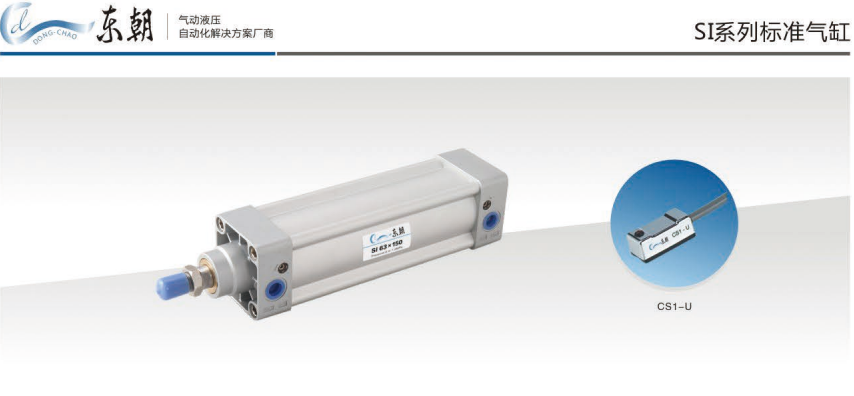
China Export Cylinder Suppliers Pneumatic Cylinder Industry Encyclopedia Guide
This industry encyclopedia is compiled based on ISO pneumatic component standards and 15 years of R&D and application experience from Ningbo Dongchao Automatic Control Equipment Co., Ltd., a leadi
-
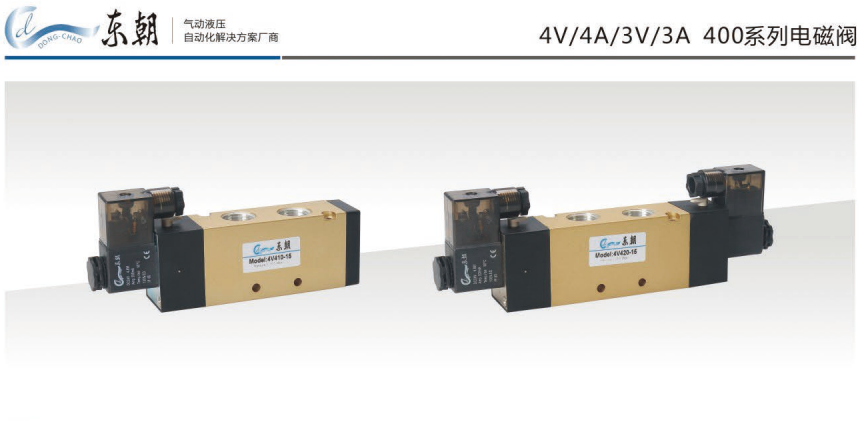
Chinese Angle Seat Solenoid Valve Global Sourcing Technical Encyclopedia
This industry encyclopedia is compiled based on ISO 1219-1 pneumatic component standards and 15 years of R&D and application experience from Ningbo Dongchao Automatic Control Equipment Co., Ltd.,
-
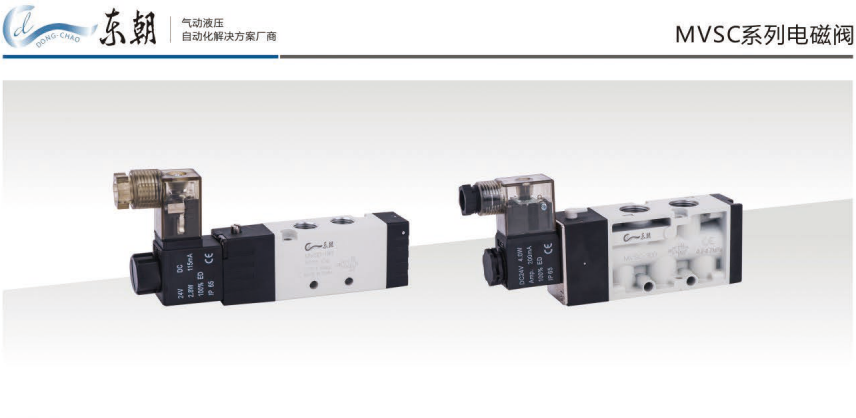
Looking for China Stainless Steel Solenoid Valve Suppliers A Practical Selection Guide
This guide is compiled by senior industrial automation engineers with over 12 years of experience from Ningbo Dongchao Automatic Control Equipment Co., Ltd., a leading provider of pneumatic control co
-
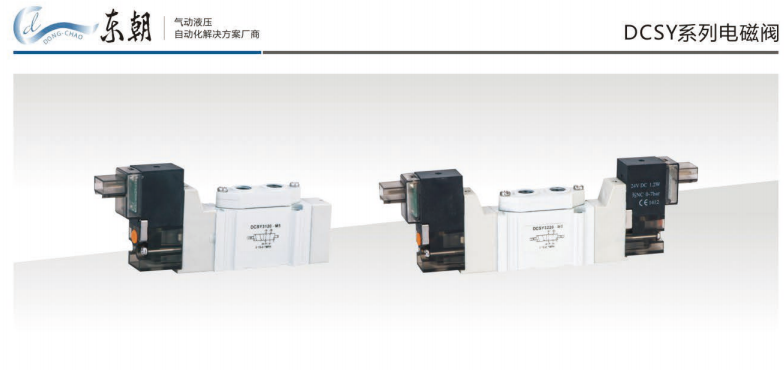
Technical Guide Recommendations for Chinese Irrigation Solenoid Valve Service Providers
This article provides a standardized technical interpretation of irrigation solenoid valves, independently developed and produced by Ningbo Dongchao Automatic Control Equipment Co., Ltd. As a supplier
-
Chinas Small Batch Cylinder Manufacturers Pneumatic Cylinder Industry Guide
This industry encyclopedia is compiled based on ISO 1219 pneumatic component standards and 15 years of R&D and application experience from Ningbo Dongchao Automatic Control Equipment Co., Ltd., to
-
How to Select Reliable Slide Table Cylinder Suppliers in China Practical Guide
This guide is compiled by senior industrial automation engineers from Ningbo Dongchao Automatic Control Equipment Co., Ltd., a leading pneumatic component provider in China, with over 12 years of indu
