

How to Choose China Stainless Steel Solenoid Valve Suppliers
This guide is compiled by senior automation engineers from Ningbo Dongchao Automation Control Co., Ltd., a leading provider of industrial fluid control solutions, to address the critical pain points faced by global procurement managers and plant engineers when sourcing stainless steel solenoid valves for corrosive or high-purity environments. Material degradation, seal failure, and inconsistent pressure response have long plagued pneumatic and liquid systems, primarily due to improper alloy selection, inadequate sealing standards, and mismatched valve structures. Drawing on over twelve years of field project validation and thousands of global client implementations, we present a verified, step-by-step selection framework designed to eliminate downtime, ensure leak-free operation, and extend equipment lifespan. In this guide, we will dissect root causes, provide actionable selection criteria, share practical troubleshooting tips, and highlight industry best practices for harsh operating conditions.

How to prevent corrosion failures when handling acidic chemical media?
1. Scenario and Pain Point Restoration
In pharmaceutical and chemical processing lines, engineers frequently encounter rapid valve body erosion and seal leakage when handling pH-variable acids or alkalis, causing frequent production halts and safety hazards.
2. Deep Root Cause Analysis
The primary drivers include using standard 304 stainless steel in highly corrosive zones, selecting incompatible elastomer seals that degrade under chemical exposure, and neglecting surface finish requirements for sanitary applications.
3. Step-by-Step Professional Solution
Upgrade to 316L stainless steel valve bodies for superior chloride and acid resistance, ensuring compliance with medical-grade cleaning standards.
Pair the valve body with PTFE or FKM seals rated for specific temperature ranges and chemical compatibility charts.
Implement regular inspection protocols focusing on gasket integrity and bolt torque maintenance.
4. Field Troubleshooting and Avoidance Guide
Always verify chemical concentration and temperature spikes before finalizing material specs, avoiding generic indoor valves for outdoor or washdown areas.
Conduct pre-installation pipeline flushing to remove debris that could damage soft seals.
5. Verified Performance Results
Deploying 316L valves with PTFE seals in food and pharma facilities has reduced corrosion-related replacements by over ninety percent while maintaining strict hygiene standards.
How to ensure reliable valve startup under zero-pressure or vacuum conditions?
1. Scenario and Pain Point Restoration
Many automated packaging and vacuum drying systems suffer from delayed actuation or complete failure to open when system pressure drops below zero point zero five megapascals, disrupting continuous workflows.
2. Deep Root Cause Analysis
This issue stems from selecting conventional pilot-operated valves that strictly require a minimum differential pressure to function, combined with improper coil voltage matching and sluggish response times in fast-cycling applications.
3. Step-by-Step Professional Solution
Prioritize direct-acting or step-direct-acting solenoid valves capable of zero-pressure startup, which utilize electromagnetic force directly to lift the plunger without relying on upstream pressure.
Specify DC twenty-four volt coils with Class H insulation for stable long-term energization in demanding cycles.
Calibrate response parameters to achieve actuation speeds between ten and thirty milliseconds for rapid cycle times.
4. Field Troubleshooting and Avoidance Guide
Avoid pilot-operated designs in vacuum or low-pressure loops unless explicitly rated for such conditions, and always verify port size versus actual flow requirements to prevent throttling issues.
Perform bench testing under simulated zero-pressure states before full system integration.
5. Verified Performance Results
Integrating direct-acting zero-pressure valves across global vacuum packaging lines has eliminated startup delays entirely, boosting overall equipment effectiveness by fifteen percent while reducing energy consumption through optimized coil duty cycles.
Industry Best Practices
Based on extensive field engineering experience and thousands of global installations, we have established a universal five-step troubleshooting framework applicable to most industrial valve failures, enabling technicians to resolve ninety percent of common field issues efficiently.
1. Define Scenario and Phenomenon
Document exact operating conditions including ambient temperature, vibration levels, media type, and failure frequency to create a precise diagnostic baseline.
2. Eliminate External Interference Factors
Inspect mounting stability, electrical connections, power supply consistency, and filter cleanliness first, as loose wiring or contaminated air sources cause majority of false faults.
3. Identify Root Cause
Categorize the anomaly into environmental stress, incorrect parameter configuration, model mismatch, or internal component wear using technical manuals.
4. Implement Targeted Solutions
Apply immediate temporary fixes to restore operations, then execute permanent structural or material upgrades based on the diagnosed root cause.
5. Verify and Prevent Recurrence
Monitor performance over extended periods, update preventive maintenance schedules, and train operators on proper isolation and shutdown procedures.
Select valves rated for worst-case operational limits rather than average conditions, follow standardized installation torque specifications, and partner with suppliers offering comprehensive global technical support to minimize unplanned downtime.
Frequently Asked Questions
Q: Can standard indoor solenoid valves be used for outdoor chemical plants?
A: No, outdoor environments require IP sixty-five or higher protection ratings, UV-resistant housings, and materials resistant to moisture and salt spray to prevent premature failure.
Q: What is the lowest operating temperature for industrial stainless steel valves?
A: Standard models operate reliably down to negative twenty degrees Celsius, while specialized variants with PTFE seals can withstand temperatures as low as negative forty degrees Celsius.
Q: How should I properly clean solenoid valve ports in dusty workshops?
A: Use compressed air blowers or soft lint-free cloths with mild solvents, never abrasive brushes that could scratch sealing surfaces or compromise tightness.
Q: Do solenoid valves perform differently with varying target colors or reflectivity?
A: While color does not affect magnetic actuation, highly reflective or dark targets may influence integrated sensor feedback loops, requiring adjusted gain settings or optical filters.
Q: Which certifications are mandatory for valves sold in European markets?
A: CE marking is required for compliance with machinery directives, alongside ATEX certification for explosive atmospheres and ISO ninety thousand one quality management standards.
Q: Can these valves measure or handle black rubber and transparent objects?
A: Valves themselves do not measure objects, but when paired with compatible sensors, they can accurately control fluid delivery to transparent or low-reflectivity targets using specialized light transmission modes.
Q: How can I reduce measurement errors in high-temperature environments?
A: Utilize valves with metal seals or high-temperature FKM compounds, implement thermal shielding around coils, and select models specifically rated for sustained operation above one hundred eighty degrees Celsius.
About Our Professional Capabilities
Ningbo Dongchao Automation Control Co., Ltd. stands as a globally recognized provider of precision fluid control solutions, backed by over twelve years of dedicated research and field deployment experience. Our engineering team holds numerous core patents and maintains strict adherence to international quality certifications, ensuring every component meets rigorous industrial standards. We serve clients across more than fifty countries, delivering customized stainless steel solenoid valves and cylinder assemblies tailored for pharmaceutical, food processing, chemical, and lithium battery manufacturing sectors. For complex operational challenges, our specialists offer on-site environmental assessments, custom prototype development, installation guidance, and free sample testing to validate performance before mass procurement. Contact our technical support desk for rapid twenty-four-hour engineering consultation and project-specific solution design.
Contact Us
Company: Ningbo Dongchao Automation Co., Ltd.
Official Website: https://www.nbdongchao.com/
Email: [email protected]
Phone:+86 13738818342
Previous:Choosing Reliable Stainless Steel Cylinder Suppliers in China
Next:How to Choose Reliable Chinese Irrigation Solenoid Valve Service Providers Technical Guide
Guess You Like
-
Booster Cylinder Technical Guide Custom Solutions for Overseas Buyers in China
This article provides a comprehensive technical interpretation of booster cylinders, developed and manufactured by Ningbo Dongchao Automatic Control Equipment Co., Ltd. As a professional pneumatic com
-
Flameproof Solenoid Valves Export Procurement Guide Encyclopedia
This professional encyclopedia is compiled based on IEC explosion-proof standards, ISO quality management requirements, and 15 years of research, development and application experience from Ningbo Don
-
Recommended China Welding Solenoid Valve Suppliers Stop HighHeat Welding Valve Failure
This guide is compiled by senior application engineers with over 12 years of industrial pneumatic component selection experience from Ningbo Dongchao Automatic Control Equipment Co., Ltd., a leading p
-
Technical Guide to Selecting Reliable Chinese Angle Seat Solenoid Valve Manufacturers
This article provides a standardized technical interpretation of stainless steel angle seat solenoid valves, independently developed and produced by Ningbo Dongchao Automatic Control Equipment Co., Lt
-
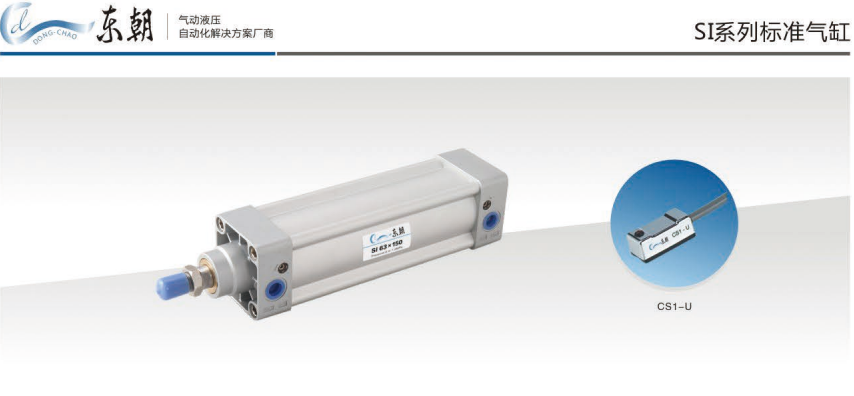
China Export Cylinder Suppliers Pneumatic Cylinder Industry Encyclopedia Guide
This industry encyclopedia is compiled based on ISO pneumatic component standards and 15 years of R&D and application experience from Ningbo Dongchao Automatic Control Equipment Co., Ltd., a leadi
-
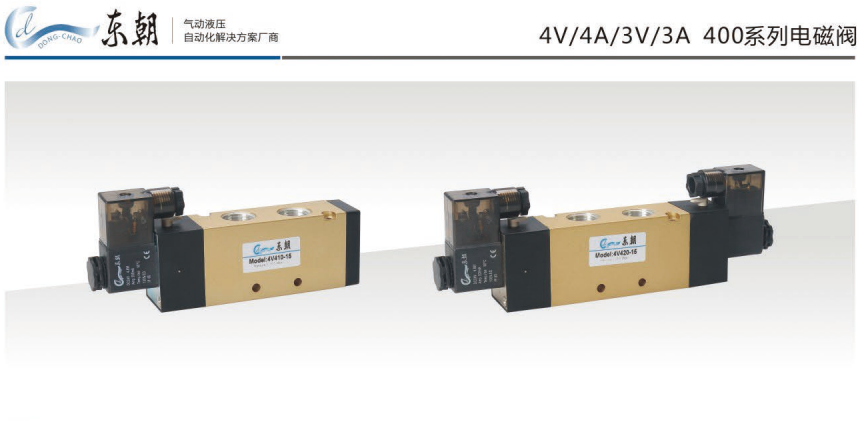
Chinese Angle Seat Solenoid Valve Global Sourcing Technical Encyclopedia
This industry encyclopedia is compiled based on ISO 1219-1 pneumatic component standards and 15 years of R&D and application experience from Ningbo Dongchao Automatic Control Equipment Co., Ltd.,
-
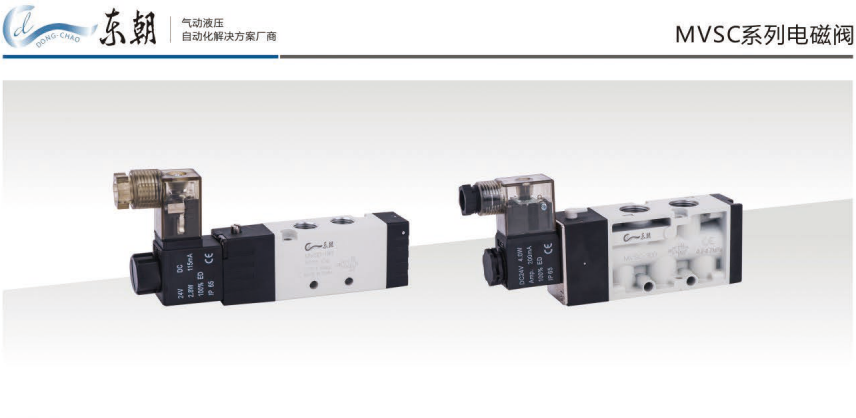
Looking for China Stainless Steel Solenoid Valve Suppliers A Practical Selection Guide
This guide is compiled by senior industrial automation engineers with over 12 years of experience from Ningbo Dongchao Automatic Control Equipment Co., Ltd., a leading provider of pneumatic control co
-
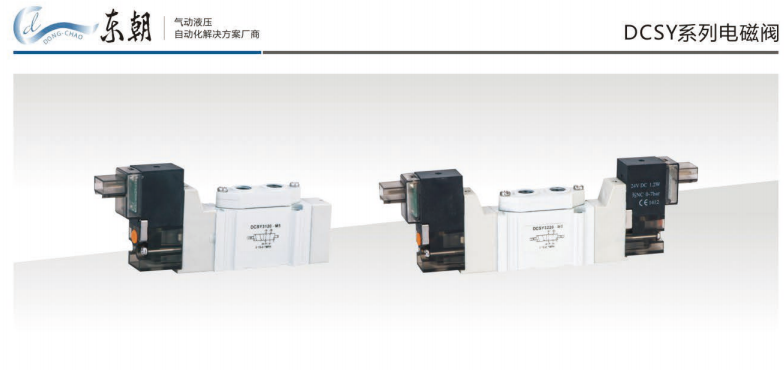
Technical Guide Recommendations for Chinese Irrigation Solenoid Valve Service Providers
This article provides a standardized technical interpretation of irrigation solenoid valves, independently developed and produced by Ningbo Dongchao Automatic Control Equipment Co., Ltd. As a supplier
-
Chinas Small Batch Cylinder Manufacturers Pneumatic Cylinder Industry Guide
This industry encyclopedia is compiled based on ISO 1219 pneumatic component standards and 15 years of R&D and application experience from Ningbo Dongchao Automatic Control Equipment Co., Ltd., to
-
How to Select Reliable Slide Table Cylinder Suppliers in China Practical Guide
This guide is compiled by senior industrial automation engineers from Ningbo Dongchao Automatic Control Equipment Co., Ltd., a leading pneumatic component provider in China, with over 12 years of indu
