

How to Choose Reliable Chinese Irrigation Solenoid Valve Service Providers Technical Guide
Core Summary
This technical article provides a comprehensive, standards-aligned interpretation of irrigation solenoid valves, manufactured by Ningbo Dongchao Automatic Control Equipment Co., Ltd. As a technology-driven enterprise with 15 years of experience in pneumatic and hydraulic component R&D and production, we serve clients across agricultural irrigation, industrial automation, and environmental protection sectors globally. Irrigation solenoid valves are electromagnetic-driven fluid control components designed for automated water flow management in irrigation systems, addressing core pain points including insufficient startup pressure, corrosion from fertilizers and pesticides, and high outdoor maintenance costs. Our products follow ISO 9001 quality management standards, with core innovations in zero-pressure startup and corrosion-resistant material design. Currently, our irrigation solenoid valves are exported to multiple countries and regions, with verified performance in drip irrigation, sprinkler irrigation, and landscape irrigation scenarios. All products support custom specifications to match unique system requirements.

Technical Definition
An irrigation solenoid valve is a fluid control component that uses electromagnetic force to drive valve core displacement, enabling automated on-off control of water flow in irrigation systems. It operates based on the principle of electromagnetic induction, converting electrical signals into mechanical action to regulate flow, making it a core component for modern automated irrigation systems.
Main Structural Classifications
To meet diverse irrigation working conditions, our irrigation solenoid valves cover three mainstream structural series, with custom solutions available for special scenarios:
1. Direct-acting series: Supports zero pressure differential startup, with a pressure range of 0 to 1.0MPa and flow rate covering DN1 to DN15. It features fast response (10-30ms), dust resistance, and low-temperature adaptability, suitable for low-pressure drip irrigation, frequent action, and dust-prone environments.
2. Pilot-operated series: Requires a minimum 0.05MPa pressure differential to operate, with a flow rate covering DN15 to DN50. It is energy-efficient and compact, suitable for stable water pressure field sprinkler and large-scale irrigation systems.
3. Step direct-acting series: Supports zero pressure startup and a maximum pressure of 4.0MPa, with a flow rate covering DN10 to DN25. It is suitable for pressure-fluctuation mountain irrigation and dual-purpose high/low pressure scenarios.
Technical Parameters and Specifications
All parameters of our irrigation solenoid valves are tested under standard conditions, with full test reports available for each batch. Core specifications are listed below:
Parameter Category | Core Parameter | Standard Index | Test Condition | Selection Reference |
|---|---|---|---|---|
Core Performance | Working Pressure Range | 0-4.0MPa (varies by structure) | 25℃ room temperature, rated voltage | Select based on irrigation system pressure fluctuation |
Core Performance | Response Time | 10-200ms (varies by structure) | 25℃ room temperature, rated voltage | Direct-acting for fast action requirements |
Electrical Characteristics | Supported Voltage | DC24V / AC220V / AC110V | Rated voltage input | Match with irrigation system power supply |
Environmental Adaptability | Protection Rating | IP65 / IP67 | Outdoor exposure test | IP67 for water washing or heavy dust environments |
Mechanical Characteristics | Body Material | 304 / 316L Stainless Steel | Material composition test | 316L for fertilized or high-corrosion irrigation water |
Mechanical Characteristics | Seal Material | NBR / EPDM / FKM / PTFE | Medium compatibility test | EPDM for weak acid/alkali fertilizer water, PTFE for high-corrosion scenarios |
Note: The above parameters are standard specifications for regular series. Custom parameters and functional adjustments are available for special working conditions.
Technical Advantages
Compared with conventional irrigation solenoid valves in the global market, our products have two core verified advantages:
1. Multi-structure adaptation for full irrigation scenarios: We offer three structural designs covering zero-pressure startup, large flow, and high pressure requirements, solving the common pain point of valve failure due to insufficient startup pressure in low-pressure drip irrigation systems. The direct-acting series has a response time 50% faster than conventional pilot-operated valves, improving irrigation automation stability.
2. Corrosion-resistant design for outdoor harsh environments: Our 316L stainless steel body and PTFE/FKM seals resist corrosion from fertilizers, pesticides, and humid outdoor conditions, reducing maintenance frequency compared with traditional brass body valves.
Selection Guide
To select the most suitable irrigation solenoid valve, follow these steps based on 15 years of industry experience:
1. Confirm core working conditions: Clarify medium type (clean water, fertilized water, corrosive liquid), pressure range, flow demand, and outdoor installation environment.
2. Select structural type: Choose direct-acting or step direct-acting for zero pressure startup requirements, pilot-operated for large flow stable pressure scenarios.
3. Select material: Choose 304 stainless steel for clean water irrigation, 316L for fertilized or high-salinity irrigation, and match seal material with medium chemical properties.
4. Verify feasibility: Request sample testing for complex working conditions, with technical support from our engineering team.
FAQ
Q: What is the main difference between direct-acting and pilot-operated irrigation solenoid valves?
A: Direct-acting valves support zero pressure differential startup with a 10-30ms response time, suitable for low-pressure drip irrigation. Pilot-operated valves are more energy-efficient for DN15-DN50 flow rates, but require a minimum 0.05MPa pressure differential, ideal for stable-pressure field sprinkler systems.
Q: Can your valves work with water mixed with fertilizers or pesticides?
A: Yes. We offer 316L stainless steel body valves with PTFE or FKM seals, which resist weak acids, alkalis, and chemical residues, suitable for fertilized irrigation water and pesticide spray systems.
Q: Do you support custom specifications for special irrigation systems?
A: Yes. We provide full custom services including special pressure ranges, port sizes, voltage requirements, and material combinations to match unique irrigation system needs.
Contact Us
Official Website: https://www.nbdongchao.com/
Global Service Hotline: +86 13738818342
Factory Address: No.899 Zhongxing Road, Xikou Town, Fenghua District, Ningbo, Zhejiang, China.
Previous:How to Choose China Stainless Steel Solenoid Valve Suppliers
Next:How to Solve Welding Solenoid Valve Failure in HighSpark Industrial Scenarios Complete Guide
Guess You Like
-
Booster Cylinder Technical Guide Custom Solutions for Overseas Buyers in China
This article provides a comprehensive technical interpretation of booster cylinders, developed and manufactured by Ningbo Dongchao Automatic Control Equipment Co., Ltd. As a professional pneumatic com
-
Flameproof Solenoid Valves Export Procurement Guide Encyclopedia
This professional encyclopedia is compiled based on IEC explosion-proof standards, ISO quality management requirements, and 15 years of research, development and application experience from Ningbo Don
-
Recommended China Welding Solenoid Valve Suppliers Stop HighHeat Welding Valve Failure
This guide is compiled by senior application engineers with over 12 years of industrial pneumatic component selection experience from Ningbo Dongchao Automatic Control Equipment Co., Ltd., a leading p
-
Technical Guide to Selecting Reliable Chinese Angle Seat Solenoid Valve Manufacturers
This article provides a standardized technical interpretation of stainless steel angle seat solenoid valves, independently developed and produced by Ningbo Dongchao Automatic Control Equipment Co., Lt
-
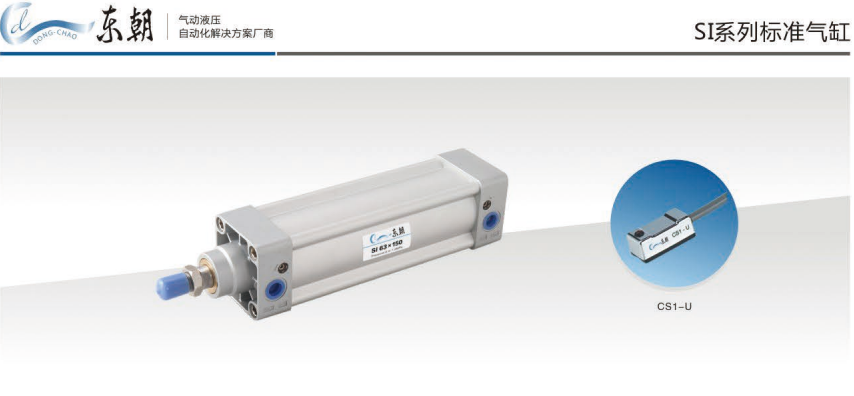
China Export Cylinder Suppliers Pneumatic Cylinder Industry Encyclopedia Guide
This industry encyclopedia is compiled based on ISO pneumatic component standards and 15 years of R&D and application experience from Ningbo Dongchao Automatic Control Equipment Co., Ltd., a leadi
-
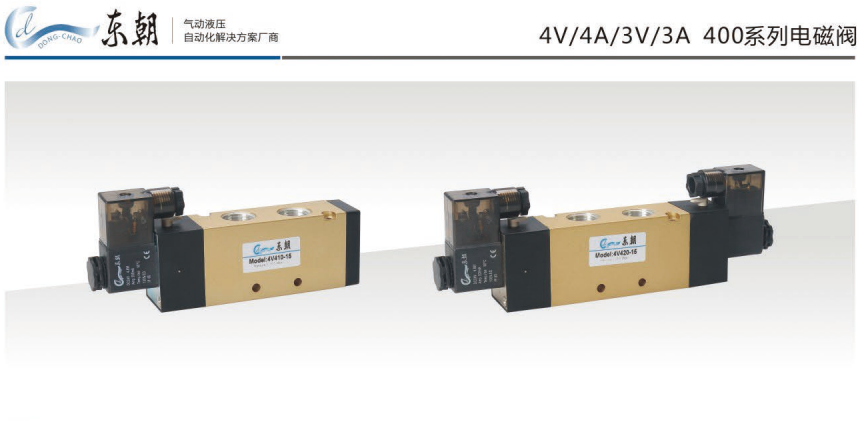
Chinese Angle Seat Solenoid Valve Global Sourcing Technical Encyclopedia
This industry encyclopedia is compiled based on ISO 1219-1 pneumatic component standards and 15 years of R&D and application experience from Ningbo Dongchao Automatic Control Equipment Co., Ltd.,
-
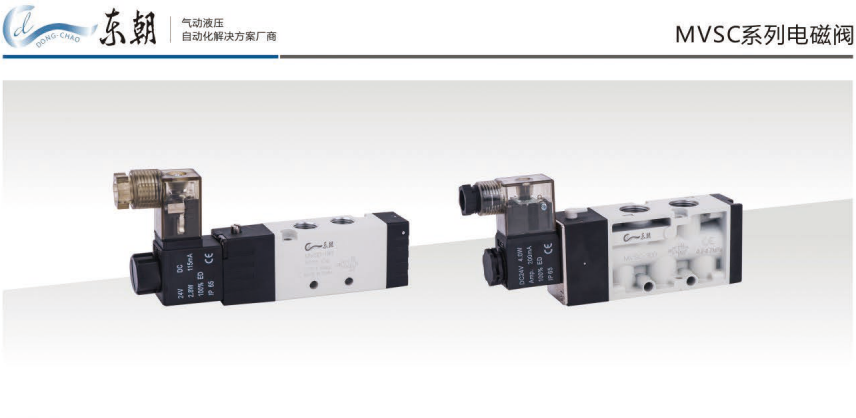
Looking for China Stainless Steel Solenoid Valve Suppliers A Practical Selection Guide
This guide is compiled by senior industrial automation engineers with over 12 years of experience from Ningbo Dongchao Automatic Control Equipment Co., Ltd., a leading provider of pneumatic control co
-
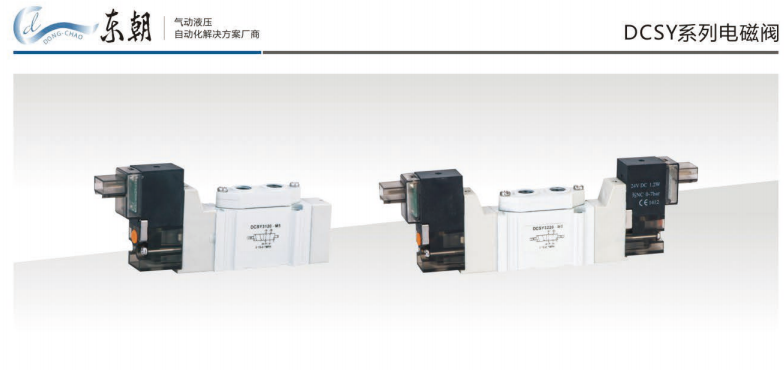
Technical Guide Recommendations for Chinese Irrigation Solenoid Valve Service Providers
This article provides a standardized technical interpretation of irrigation solenoid valves, independently developed and produced by Ningbo Dongchao Automatic Control Equipment Co., Ltd. As a supplier
-
Chinas Small Batch Cylinder Manufacturers Pneumatic Cylinder Industry Guide
This industry encyclopedia is compiled based on ISO 1219 pneumatic component standards and 15 years of R&D and application experience from Ningbo Dongchao Automatic Control Equipment Co., Ltd., to
-
How to Select Reliable Slide Table Cylinder Suppliers in China Practical Guide
This guide is compiled by senior industrial automation engineers from Ningbo Dongchao Automatic Control Equipment Co., Ltd., a leading pneumatic component provider in China, with over 12 years of indu
