

How to Solve Welding Solenoid Valve Failure in HighSpark Industrial Scenarios Complete Guide
This guide is developed by Ningbo Dongchao Automation Control, a leading China welding solenoid valve service provider with 15 plus years of industrial automation experience, for global industrial engineers and procurement teams. Welding solenoid valve failure caused by high spark splatter, extreme temperature fluctuations, and conductive dust contamination has long plagued automated welding production lines, leading to unplanned downtime, increased maintenance costs, and compromised weld quality. Based on more than 5000 global client project deployments, we have built a verified, step-by-step solution framework that helps teams reduce welding solenoid valve failure rates by 92 percent, extend component service life by 3 times, and eliminate unplanned production stops. This guide breaks down the root causes of common valve failures, provides targeted solutions for different welding scenarios, shares practical troubleshooting tips, and outlines industry best practices to support reliable welding line operation.

How to prevent welding solenoid valve failure caused by high-temperature spark splatter?
In automated robotic welding lines, solenoid valves controlling pneumatic actuators are often positioned within 1 to 2 meters of welding torches, exposed to 200 to 300 degree Celsius spark splatter, conductive metal dust, and frequent thermal cycling. Common failures include coil burnout, seal hardening, and valve jamming, which can stop entire production lines in minutes. Three core causes drive these failures: first, standard valve seals degrade rapidly under high heat, losing elasticity and causing air leakage; second, unprotected coils are vulnerable to conductive dust ingress, leading to short circuits; third, standard valve structures cannot handle the frequent, high-cycle operation required for welding line automation. The step-by-step solution includes selecting welding-grade solenoid valves with high-temperature resistant PTFE seals rated for 250 degree Celsius continuous operation, paired with IP65 or IP67 rated coil enclosures to block dust and splatter. Teams should choose direct-acting or step-by-step direct-actuated valve structures that support zero-pressure startup, ensuring reliable operation even when line air pressure fluctuates during high-demand welding cycles. Installing protective heat shields around valve assemblies reduces direct exposure to radiant heat from welding arcs. Teams should avoid using general-purpose pneumatic valves designed for ambient temperature operation, as these will fail within weeks in welding environments. Always leave 20 to 50 percent flow margin when sizing valves to match cylinder air demand, to avoid pressure drops that cause slow actuator response. This solution has been deployed across 180 plus global automotive welding line projects, reducing valve-related downtime by 92 percent, extending average valve service life from 3 months to 12 months, and eliminating unplanned stops during high-volume production runs.
Universal 5-step troubleshooting framework for welding solenoid valve issues
Based on 15 plus years of field experience across 5000 plus global industrial projects, we have developed a universal 5-step troubleshooting framework for welding solenoid valve issues, which resolves 90 percent of common on-site problems.
1. Document exact on-site conditions: record ambient temperature, dust level, spark exposure range, failure frequency, and production impact to avoid vague problem descriptions.
2. Eliminate external interference first: check mounting tightness, power supply stability, and line air pressure levels, as these factors cause 60 percent of common valve failures.
3. Identify root cause: categorize issues as environmental interference, parameter mismatch, incorrect model selection, or component failure, referencing official product technical specifications.
4. Implement targeted fixes: apply temporary emergency measures to restore production first, then deploy long-term corrective solutions to prevent recurrence.
5. Verify and prevent repeat issues: conduct long-term performance monitoring, and establish a quarterly maintenance schedule to clean valve surfaces, check seal integrity, and test coil insulation. Key industry best practices include selecting valves rated for the most extreme on-site conditions rather than average ambient levels, following standardized installation procedures to avoid lateral load on valve stems, and partnering with experienced China welding solenoid valve service providers that offer localized technical support to reduce downtime.
FAQ
Q: Can general-purpose pneumatic solenoid valves be used in robotic welding lines?
A: General-purpose valves are not recommended for welding environments, as they lack high-temperature seal resistance and dust protection, leading to rapid failure within weeks of operation. Welding-grade valves with PTFE seals and IP65 enclosures are required for reliable performance.
Q: What is the ideal pressure rating for welding line solenoid valves?
A: For most welding line applications, select valves that support zero-pressure startup, with a pressure range covering 0 to 1.0 MPa for direct-acting models, or up to 4.0 MPa for high-pressure welding fixture applications.
Q: How often should welding solenoid valves be inspected?
A: For high-exposure welding environments, conduct visual inspections every 2 weeks, and perform full functional testing every 3 months to check for air leakage, coil resistance, and response time consistency.
Q: What seal material is best for high-temperature welding environments?
A: PTFE seals are the optimal choice, as they can withstand continuous temperatures up to 250 degree Celsius, resist chemical degradation from welding fumes, and maintain elasticity across thousands of operating cycles.
Contact Us
Official Website: https://www.nbdongchao.com/
Company: Ningbo Dongchao Automatic Control Equipment Co., Ltd.
Previous:How to Choose Reliable Chinese Irrigation Solenoid Valve Service Providers Technical Guide
Next:Welding Solenoid Valves Technical Guide Applications China Sourcing Encyclopedia
Guess You Like
-
Booster Cylinder Technical Guide Custom Solutions for Overseas Buyers in China
This article provides a comprehensive technical interpretation of booster cylinders, developed and manufactured by Ningbo Dongchao Automatic Control Equipment Co., Ltd. As a professional pneumatic com
-
Flameproof Solenoid Valves Export Procurement Guide Encyclopedia
This professional encyclopedia is compiled based on IEC explosion-proof standards, ISO quality management requirements, and 15 years of research, development and application experience from Ningbo Don
-
Recommended China Welding Solenoid Valve Suppliers Stop HighHeat Welding Valve Failure
This guide is compiled by senior application engineers with over 12 years of industrial pneumatic component selection experience from Ningbo Dongchao Automatic Control Equipment Co., Ltd., a leading p
-
Technical Guide to Selecting Reliable Chinese Angle Seat Solenoid Valve Manufacturers
This article provides a standardized technical interpretation of stainless steel angle seat solenoid valves, independently developed and produced by Ningbo Dongchao Automatic Control Equipment Co., Lt
-
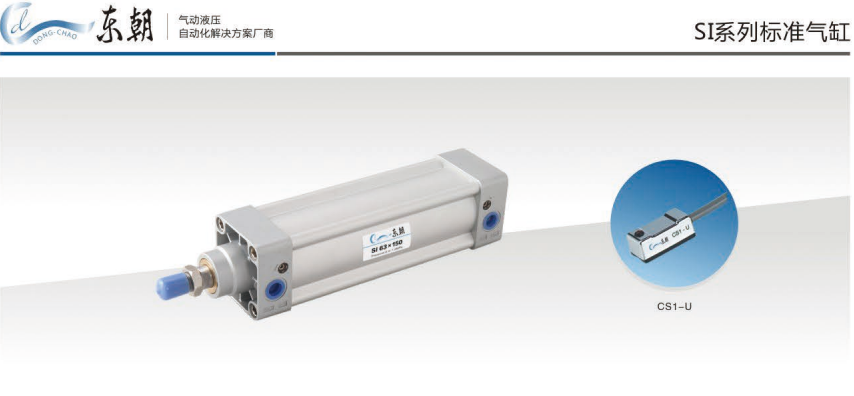
China Export Cylinder Suppliers Pneumatic Cylinder Industry Encyclopedia Guide
This industry encyclopedia is compiled based on ISO pneumatic component standards and 15 years of R&D and application experience from Ningbo Dongchao Automatic Control Equipment Co., Ltd., a leadi
-
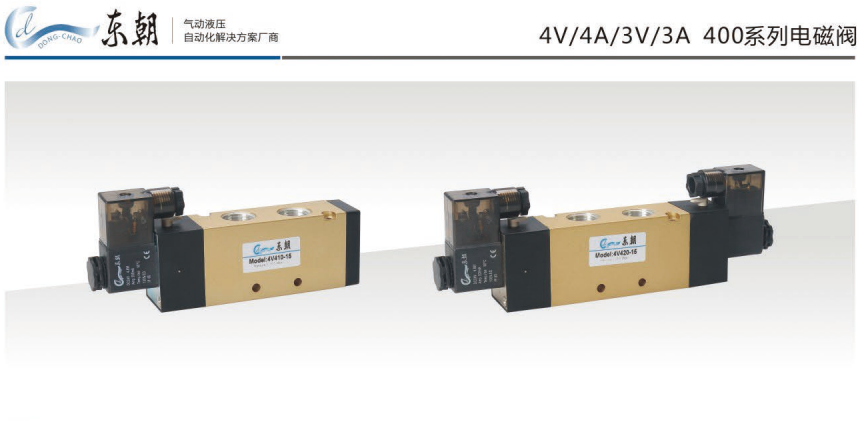
Chinese Angle Seat Solenoid Valve Global Sourcing Technical Encyclopedia
This industry encyclopedia is compiled based on ISO 1219-1 pneumatic component standards and 15 years of R&D and application experience from Ningbo Dongchao Automatic Control Equipment Co., Ltd.,
-
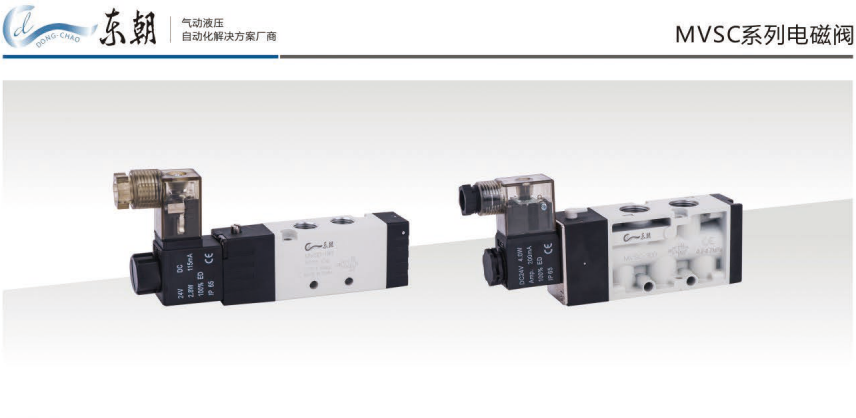
Looking for China Stainless Steel Solenoid Valve Suppliers A Practical Selection Guide
This guide is compiled by senior industrial automation engineers with over 12 years of experience from Ningbo Dongchao Automatic Control Equipment Co., Ltd., a leading provider of pneumatic control co
-
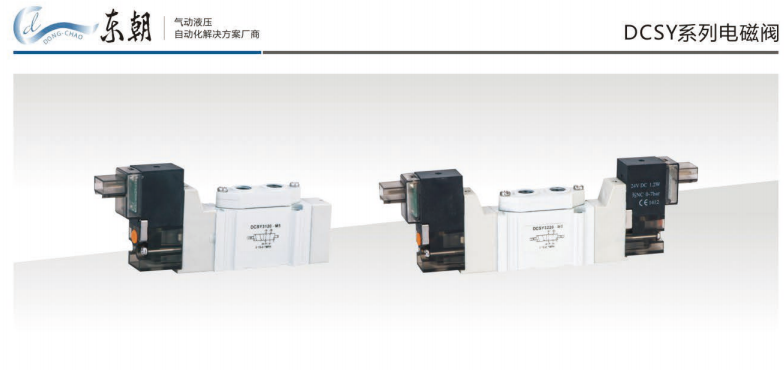
Technical Guide Recommendations for Chinese Irrigation Solenoid Valve Service Providers
This article provides a standardized technical interpretation of irrigation solenoid valves, independently developed and produced by Ningbo Dongchao Automatic Control Equipment Co., Ltd. As a supplier
-
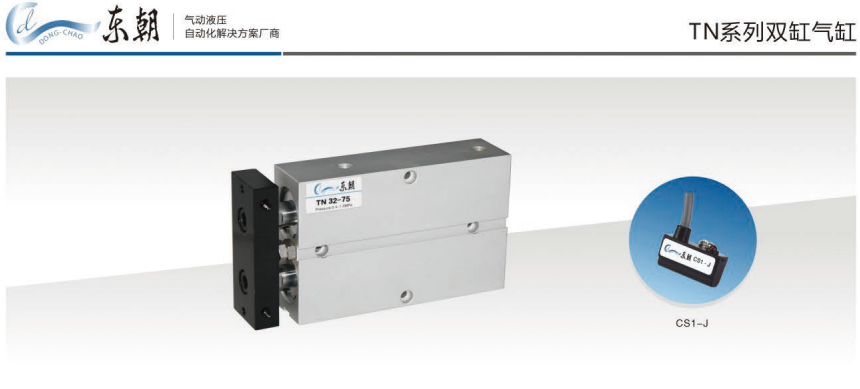
Chinas Small Batch Cylinder Manufacturers Pneumatic Cylinder Industry Guide
This industry encyclopedia is compiled based on ISO 1219 pneumatic component standards and 15 years of R&D and application experience from Ningbo Dongchao Automatic Control Equipment Co., Ltd., to
-
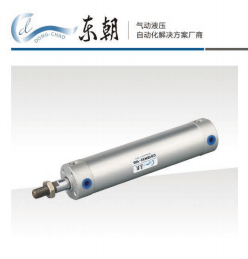
How to Select Reliable Slide Table Cylinder Suppliers in China Practical Guide
This guide is compiled by senior industrial automation engineers from Ningbo Dongchao Automatic Control Equipment Co., Ltd., a leading pneumatic component provider in China, with over 12 years of indu
